Asbury Park has some of the oldest housing stock in Monmouth County. The town’s National Register historic district is made up of houses built from the late nineteenth into the early twentieth century, and early twentieth-century revivals are the most common type in it. Houses of that age are often perfectly sound. What they are not is original, and the difference matters when you are buying one.
Most of these homes have been rewired in part, replumbed in part, divided and sometimes recombined, and re-roofed more than once. My job is to work out which era each part of the house belongs to, which of those changes were done properly, and which ones are going to become your problem.
CLIENT EXPERIENCES
Personal attention. Clear answers. Confidence in your next step.
We had a great experience with Tom. He was very responsive and arranged the inspection in such short notice. The inspection report was very detailed and easy to understand. Thank you, Tom!
Tom is a great inspector to work with. He has inspected several homes for my buyers in the past couple of months and he is detailed, knowledgeable, and most importantly, not an alarmist.
Read full reviewShow less+
He provides facts and gives sound advice so that all of us involved on the buy side are able to make informed decisions regarding the next steps. I highly recommend Tom for anyone looking for a fantastic home inspector.
Tom was phenomenal! Incredibly thorough, professional, and responsive, he inspected every detail of our new home with advanced tools like thermal imaging.
Read full reviewShow less+
His clear, detailed report and patient explanations gave us confidence to move forward. Tom’s honesty and expertise made the process stress-free. Highly recommend—best inspector out there!
Within 24 hours you'll have a digital report: annotated photos, plain-language summaries, and recommendations sorted by priority.
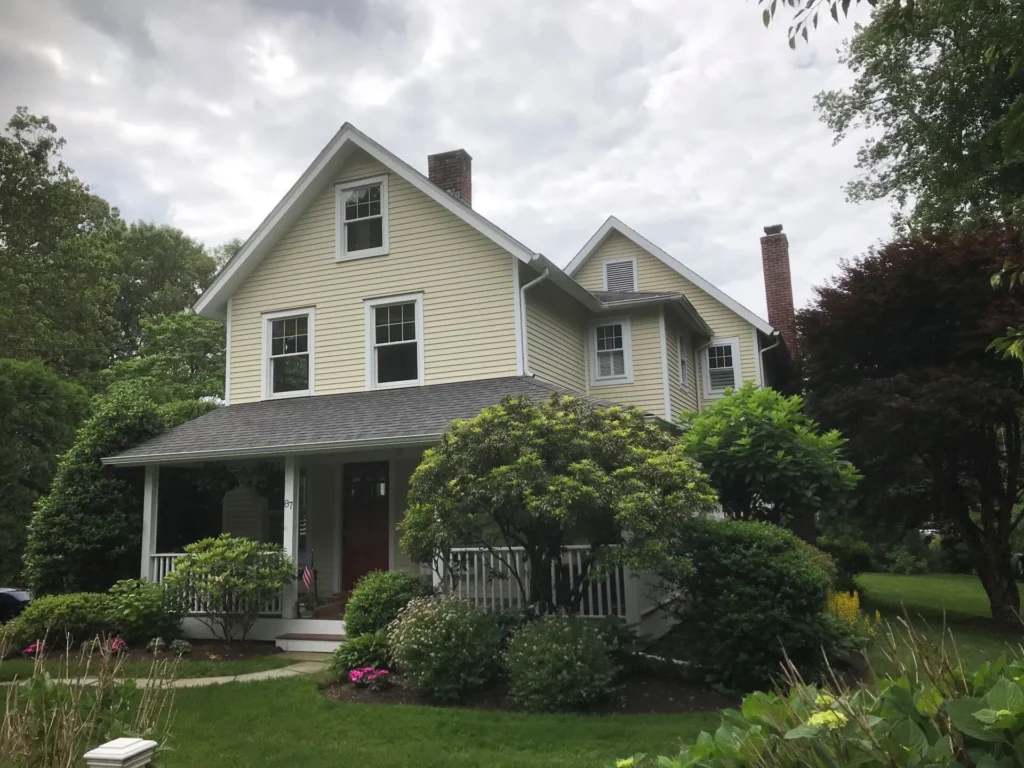
An older in-town house is a different inspection from a newer shore home. The things that turn up repeatedly here are consequences of age and of conversion work rather than of exposure to the ocean.
Knob-and-tube and other early wiring often survives in parts of a house that were never renovated, typically inside walls and above ceilings where it is easy to miss. Galvanized supply lines corrode from the inside, so pressure drops long before anything leaks. Cast-iron waste stacks crack at the base. Older heating systems leave disused flues and abandoned chimneys behind walls.
Oil heat is the one I always ask about. Many houses of this age were heated by oil at some point, and a buried tank that was never properly decommissioned is a liability that transfers with the property. That question needs answering before closing, not after.
Dividing a large single-family house into units is common here, and it is where the serious findings usually are. Added kitchens and bathrooms mean added drain lines, often run with minimal fall and tied into original stacks that were never sized for them. Added circuits mean sub-panels, and sub-panels installed without permits are frequently the thing I flag first.
Renovation flips deserve the same scrutiny for the opposite reason. The finishes are new and the systems behind them often are not. A kitchen can look immaculate while sitting on the original wiring and the original waste line. I look at what was left alone.
Most Asbury Park single-family inspections take two to three hours. A large older house, or one divided into separate units, takes longer because every kitchen, bathroom and heating zone has to be looked at individually rather than once.
Yes, and they need a different approach. A house converted into two or three units usually carries layered work from several eras: added kitchens, added bathrooms, sub-panels feeding new circuits, and heating zones split off an original system. The inspection follows each of those additions rather than treating the house as one unit.
It is worth testing. Radon is a soil gas, so it is driven by what is under the house rather than by the age or the style of the building. An older basement with a stone or block foundation and an unsealed floor gives it more ways in than a newer slab does, which is exactly the construction common in Asbury Park.
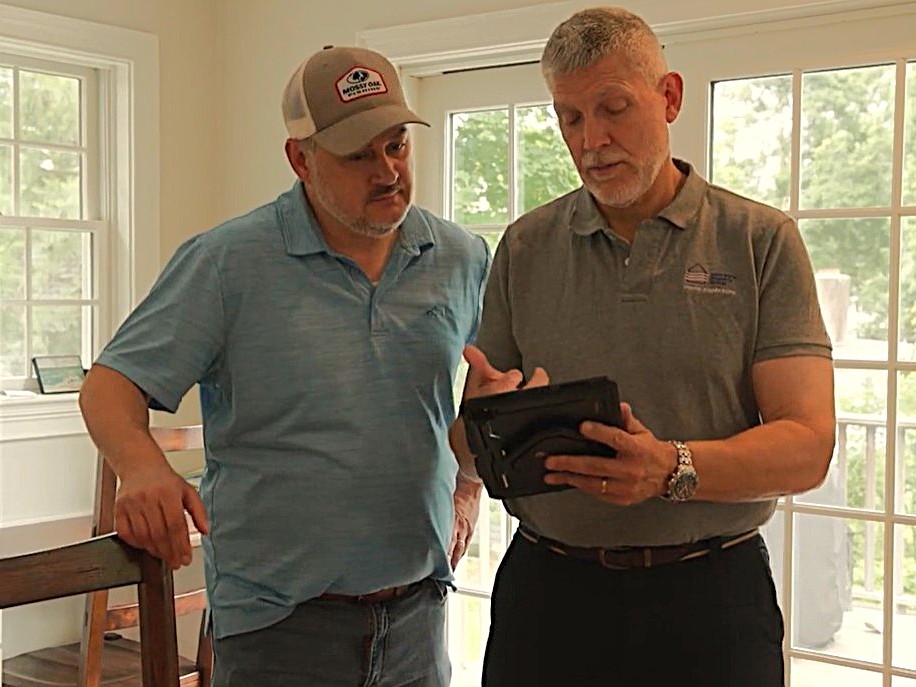
Please do. Walking an older house with you is the fastest way to understand what you are buying. You see where the original construction ends and the added work begins, which is difficult to convey in a report alone.
Carefully, because fresh finishes hide the evidence. New flooring, new paint and a new kitchen tell you nothing about the wiring behind the wall or the condition of the waste piping under the floor. The inspection concentrates on what was not replaced, and on whether the visible work looks permitted and properly done.
Ask how the house is heated and whether it was ever heated by oil, ask whether the wiring has been updated or only partly updated, ask whether the units were created with permits, and ask what is behind the newest finishes. Call 732-800-2318 and I will tell you what to look for before you commit.
Choose a buyer home inspection or a pre-listing inspection before selling. Ask about radon and mold testing and drone roof inspections when scheduling.

Thanks for stopping by! Where here to help, Please don’t hesitate to reach out