From a century-old home near Main Street to elevated construction by the Inlet, get a calm Manasquan inspection and a clear, photo-rich report within 24 hours.
When you’re buying or selling a home in Manasquan, New Jersey, you deserve clear answers and a calm professional who can explain what truly matters. At Nearwater Property Group, we’ve built our reputation on practical, no-nonsense inspections that help homeowners make informed decisions not stressful ones.
We’ve inspected homes across Monmouth County and the Jersey Shore, from classic century-old homes near downtown Main Street to modern, elevated coastal construction near Manasquan Beach and the Inlet. No matter the property, we take the same approach: clear communication, expert evaluation, and reports that help you move forward confidently.
No jargon, no scare tactics. Just honest, experience-based findings about your Manasquan home, whether it’s a classic downtown property or modern coastal construction near the beach.
CLIENT EXPERIENCES
Personal attention. Clear answers. Confidence in your next step.
We had a great experience with Tom. He was very responsive and arranged the inspection in such short notice. The inspection report was very detailed and easy to understand. Thank you, Tom!
Tom is a great inspector to work with. He has inspected several homes for my buyers in the past couple of months and he is detailed, knowledgeable, and most importantly, not an alarmist.
Read full reviewShow less+
He provides facts and gives sound advice so that all of us involved on the buy side are able to make informed decisions regarding the next steps. I highly recommend Tom for anyone looking for a fantastic home inspector.
Tom was phenomenal! Incredibly thorough, professional, and responsive, he inspected every detail of our new home with advanced tools like thermal imaging.
Read full reviewShow less+
His clear, detailed report and patient explanations gave us confidence to move forward. Tom’s honesty and expertise made the process stress-free. Highly recommend—best inspector out there!
Your Manasquan home inspection covers all the major systems and components that affect safety, performance, and value:
A digital report arrives within 24 hours: annotated photos, plain-language summaries, and prioritized recommendations you can act on.
Manasquan’s mix of beachfront properties, boating communities, and established downtown neighborhoods presents unique inspection challenges. Homes situated near the beach, Manasquan Inlet, or the Glimmer Glass face coastal winds, salt air, high humidity, and potential flood risks in lower levels. Meanwhile, older inland properties may show expected foundation settlement, remnants of older wiring, or aging HVAC systems.
Our inspectors know what’s normal for Manasquan homes and what’s not. You’ll get a calm, honest perspective no exaggeration, no confusion, just clear answers about your property’s true condition.
Manasquan properties may be compact beach cottages, year-round conversions, newer coastal builds, or homes that have been expanded over time. The inspection should connect the age and use of the property to visible conditions in the roof, flashing, siding, windows, decks, foundation, lower levels, and mechanical systems. Salt air, wind-driven rain, and seasonal vacancy can affect exterior fasteners, HVAC equipment, drainage, and moisture control. A home on an elevated foundation or with a lower-level enclosure also merits a clear record of access and flood-related questions.
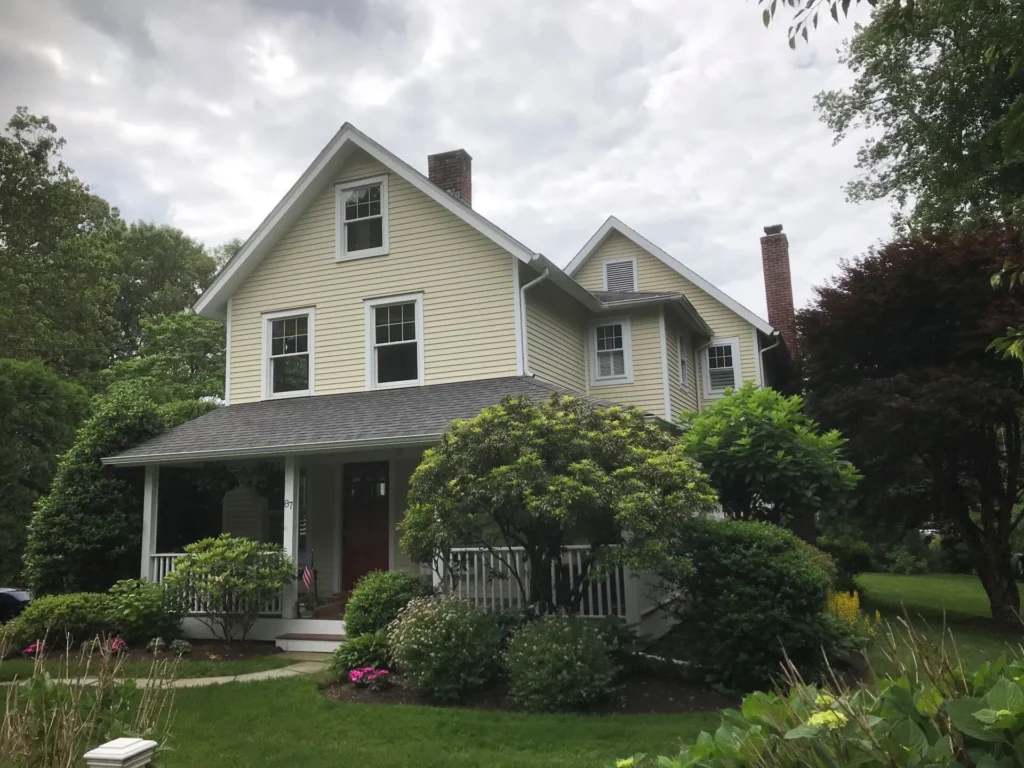
Manasquan's residential character is defined by homes built between 1890 and 1930, particularly in neighborhoods near Main Street. These properties often exhibit Queen Anne, Colonial Revival, and Craftsman design elements, with features such as original wood siding, decorative millwork, wraparound porches, and tall ceilings. Homes from this period present specific inspection considerations tied to age and original construction methods.
Many retain wood clapboard or cedar shingle siding beneath successive layers of paint. The inspection evaluates accessible siding for visible rot, particularly at corner boards, window trim, and areas where siding meets the foundation or porch decking. Decorative millwork including porch columns, corbels, and gable trim can harbor moisture and may require periodic maintenance or replacement.
Interior finishes in Victorian-era Manasquan homes often include original hardwood flooring, tall baseboards, and plaster-on-lath walls. Where plaster remains, the inspection documents any visible cracking, sagging, or evidence of past water damage. Plaster repairs are common in homes of this age, and the report notes where patches or skim coats have been applied.
Electrical systems in these homes have typically been upgraded multiple times, but traces of original knob-and-tube wiring may remain in attics, crawlspaces, or behind walls not opened during renovations. The inspection identifies visible remnants of old wiring and assesses whether the current panel and branch circuits appear consistent with modern standards. Where original wiring is suspected to be in service, evaluation by a licensed electrician is recommended before closing.
Manasquan's eastern boundary sits along the Atlantic Ocean, with direct beach access and proximity to the Manasquan Inlet. Homes in the eastern part of the borough face the full force of coastal weather, including wind-driven rain, salt spray, and storm surge risk. Roof coverings on these properties often show accelerated aging compared to inland locations, and the inspection should assess visible shingle condition, flashing integrity, and any signs of wind damage or uplift.
Windows and doors on ocean-facing elevations are subject to stress from wind pressure and moisture infiltration. Older single-pane windows may exhibit visible rot in the sash or sill, and even newer windows can show signs of seal failure or water intrusion if not properly installed and flashed. The inspection documents accessible window and door condition and notes any evidence of past or ongoing leaks.
Elevated homes constructed or renovated after major storm events may include pilings, engineered foundations, and flood-resistant materials in lower levels. These features meet specific code requirements tied to FEMA flood zones and local elevation ordinances. While a home inspection does not certify flood compliance, it assesses the accessible condition of visible foundation supports, the placement of mechanical equipment above base flood elevation, and the materials used in areas subject to potential inundation.
Properties inland from the beach, particularly those built in the 1950s through 1970s, often include ranch-style homes and split-levels on larger lots. These mid-century structures typically feature slab-on-grade or crawlspace foundations, original copper or galvanized plumbing, and electrical panels from the era of construction. The inspection documents the age and condition of these systems and identifies any components nearing the end of typical service life.
Most Manasquan single-family inspections take 2-3 hours. Smaller bungalows go faster; larger or older homes near the Inlet can take 4-6, especially with elevated foundations to review. Join us anytime.
Yes. The inspection assesses the accessible portions of the foundation supports, connections between lower-level enclosure and the main structure, and the condition of any enclosed lower-level areas. It does not include engineering analysis of load-bearing capacity or certification of flood-code compliance. Request elevation certificates, building permits, and any engineering documents from the seller for structures built or substantially improved after major storm events.
The inspection documents the visible condition of plaster surfaces, noting cracking, sagging, or areas of past repair. Original wood trim, flooring, and millwork are assessed for visible deterioration, water staining, or insect damage. These homes often contain a mix of original and updated systems, and the report clarifies which electrical, plumbing, and heating components appear to be from the original construction versus later replacations.
Yes. Radon is not limited to inland properties. Soil composition and foundation characteristics determine radon levels, and the only way to know whether a home has elevated radon is to test it. Nearwater uses NRPP-certified continuous monitors that provide EPA-compliant results over a 48-hour testing period.
Pricing follows the property, not a fixed list. For Manasquan the main factors are the size and age of the home, how accessible the roof and crawlspace are, and whether the house sits on pilings or an elevated foundation that needs the underside assessed. Older homes near Main Street often take longer because original systems have been modified in stages over many decades. Radon testing, mold sampling and drone roof work are priced separately. Call 732-800-2318 with the address and the services you are considering for a written quote.
Nearwater Property Group serves Manasquan and the surrounding Monmouth County communities. See every area we cover on our home inspection service areas page, or choose a nearby town below.
Choose a buyer home inspection or a pre-listing inspection before selling. Ask about radon and mold testing and drone roof inspections when scheduling.
Get the clarity you need before you buy, sell, or renovate a Manasquan home.

Thanks for stopping by! Where here to help, Please don’t hesitate to reach out