
Nearwater Property Group LLC inspects coastal homes in Point Pleasant Boro, Point Pleasant Beach, Bay Head and Brick. Tom Lochtefeld helps buyers understand the visible condition of roofs, foundations, electrical, plumbing and heating systems, with particular attention to moisture and coastal exposure.
Whether you are considering a year-round ranch, a converted shore bungalow or an elevated home, bring your questions about access, maintenance and the property’s history. We explain what can be assessed during the inspection and where a separate specialist or document review is needed.
We examine all major systems including foundation, plumbing, HVAC, and electrical with an eye for how coastal environments affect a home.
Our FAA-licensed drone pilots safely capture high-definition imagery to spot hidden damage, ensuring your roof's integrity without any unnecessary risk to the property.
We use NRPP-certified continuous monitors to deliver highly accurate radon testing, providing peace of mind and keeping your family safe from harmful invisible gases.
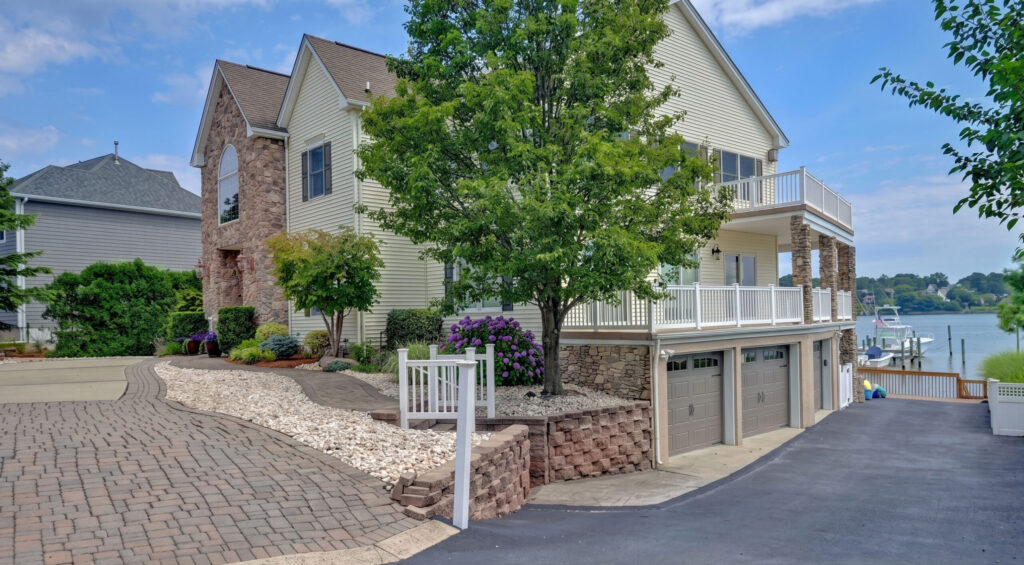
Homes along the Jersey Shore face unique environmental challenges that inland homes do not. Salt air, high humidity, wind-driven rain, and coastal flooding zones all take a toll on roofs, siding, and foundations. We know exactly what to look for. Whether you’re settling in the heart of Point Pleasant Boro (08742) or closer to the water, Nearwater Property Group is your trusted partner for understanding your property’s true condition.
A shore home can look well cared for and still have conditions that deserve a closer look because of water, wind, and salt exposure. Along Point Pleasant, Point Pleasant Beach, and Bay Head, the inspection should connect the visible condition of the house to the way the property handles coastal weather. That means reviewing the foundation and lower levels for moisture entry, checking grading and drainage, and looking at how crawlspaces, basements, or enclosed areas are ventilated. Where the house is elevated or supported on pilings, the accessible portions of the supports, connections, lower-level enclosure, and drainage pattern should be documented within the inspection scope.
The exterior review also needs to account for salt air and wind-driven rain. Inspectors look at visible corrosion around HVAC condensers, service equipment, exterior fasteners, railings, and other exposed components. Roof coverings, flashing, chimneys, and visible roof framing are reviewed for age-related wear and storm-related damage; a drone may help document high, steep, or otherwise difficult-to-access areas when scheduled and safe. In homes that were elevated or repaired after major storms, the report should make clear which areas were accessible and which conditions need documentation from permits, contractors, or other specialists.
A shore inspection can also include a review of sump-pump discharge, French drains, foundation drains where visible, and the relationship between hardscape and the foundation. These observations do not predict the next storm or replace an insurance or engineering opinion. They give a buyer or seller a practical record of visible conditions and the questions that should be answered before closing.
A FEMA flood-zone designation is one part of understanding a coastal property. AE generally identifies a mapped high-risk flood area where a base flood elevation is available. VE identifies a coastal high-hazard area with additional wave-action considerations. X is generally used for areas outside the mapped high-risk zones or for lower mapped risk areas. The exact map panel, revision, elevation, and local requirements matter, so buyers should review the current FEMA map and discuss insurance implications with their insurance professional.
An inspection does not determine a property's official flood zone, certify an elevation, or set an insurance premium. Ask the seller or municipality for available elevation certificates, permits, prior flood-repair records, and information about pumps or flood-control equipment. Compare that documentation with what is visible at the property: the height of mechanical equipment, the condition of lower-level finishes, ventilation, drainage, and any signs of past water entry. For a home on pilings or with an enclosed lower level, confirm the intended use and any limitations with the appropriate local authority.
Point Pleasant includes many 1950s- and 1970s-era ranches and capes alongside newer construction and homes that have been updated for year-round living. A bungalow or seasonal cottage may have received several additions over time, and each connection deserves a look for roof transitions, flashing, drainage, insulation, and changes in electrical or plumbing systems. Additions built on slabs can also have different access and moisture conditions from the original house, so the report should describe the accessible evidence instead of assuming every area can be evaluated the same way.
Older oil tanks, buried utilities, and prior renovations are records questions as much as inspection questions. If an oil tank, fill pipe, abandoned line, or evidence of removal is visible, request documentation and ask the appropriate environmental professional about any testing or confirmation that may be needed. The same approach applies to storm repairs, new siding, replacement windows, roofing, and elevation work: a visual inspection can identify conditions to investigate, while permits, invoices, engineering documents, and specialist testing answer questions outside a standard visual inspection.
Radon is not limited to inland homes; the only way to evaluate a property is to test it. Mold testing, when requested, should be selected based on the concern and the accessible conditions rather than treated as a substitute for correcting moisture. Nearwater also lists drone roof inspections and WDI checks among its services. Ask which service is appropriate for the property and what the written scope will cover before scheduling.
CLIENT EXPERIENCES
Personal attention. Clear answers. Confidence in your next step.
We had a great experience with Tom. He was very responsive and arranged the inspection in such short notice. The inspection report was very detailed and easy to understand. Thank you, Tom!
Tom is a great inspector to work with. He has inspected several homes for my buyers in the past couple of months and he is detailed, knowledgeable, and most importantly, not an alarmist.
Read full reviewShow less+
He provides facts and gives sound advice so that all of us involved on the buy side are able to make informed decisions regarding the next steps. I highly recommend Tom for anyone looking for a fantastic home inspector.
Tom was phenomenal! Incredibly thorough, professional, and responsive, he inspected every detail of our new home with advanced tools like thermal imaging.
Read full reviewShow less+
His clear, detailed report and patient explanations gave us confidence to move forward. Tom’s honesty and expertise made the process stress-free. Highly recommend—best inspector out there!
An elevation certificate can help document a building's elevation for floodplain and insurance questions, but whether one is available or needed depends on the property and the parties involved. Ask the seller, municipality, and insurance professional for current guidance. A home inspection can document visible conditions; it does not create or certify an elevation certificate.
Nearwater can discuss an inspection for a home on pilings and identify which supports, connections, lower-level areas, and exterior components are accessible. The report should state access limitations. Structural design, concealed conditions, and engineering questions may require a qualified structural professional.
Radon can occur in any home, including coastal homes. Testing is the practical way to evaluate a property. Ask to add radon testing to the inspection scope when appropriate, with the testing method and timing confirmed before scheduling.
Timing depends on the home's size, age, layout, condition, access, and any testing or roof documentation requested. Nearwater will confirm the expected scope and schedule for the specific property before the appointment.
The fee depends on property size, age, access, location, and optional services such as radon, mold, or drone roof work. Request a written quote for the address and requested scope before booking by calling 732-800-2318.
Buyers and sellers can ask to attend, subject to the schedule, access, and the seller's arrangements. Attending can help you understand the findings and the home's maintenance needs; coordinate attendance when the inspection is scheduled.
Choose a buyer home inspection or a pre-listing inspection before selling. Ask about radon and mold testing and drone roof inspections when scheduling.
Get the clarity you need before you buy, sell, or renovate a Point Pleasant home.
See how wood-to-ground contact can trap moisture around coastal homes, and ask about mold testing when moisture is a concern.

Thanks for stopping by! Where here to help, Please don’t hesitate to reach out