Buying or selling on the Rumson peninsula? Get a calm, meticulous evaluation and a clear, photo-rich report within 24 hours. Substance, not scare tactics.
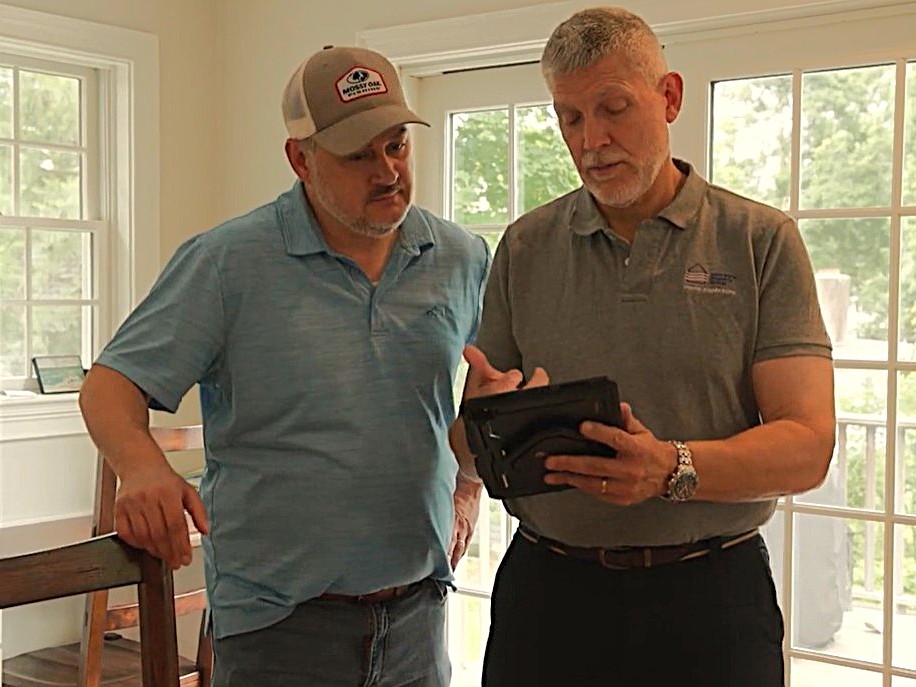
When you’re buying or selling a home in Rumson, New Jersey, you deserve clear answers and a calm professional who can explain what truly matters. At Nearwater Property Group, we’ve built our reputation on practical, no-nonsense inspections that help homeowners make informed decisions not stressful ones.
We’ve inspected homes across Monmouth County, from classic luxury estates near Rumson Road to beautiful waterfront properties along the Navesink and Shrewsbury Rivers. No matter the property, we take the same approach: clear communication, expert evaluation, and reports that help you move forward confidently.
There is no jargon and no theatrics in a Nearwater inspection. We give you straight, experience-based answers about a Rumson home’s true condition, from riverfront estates to inland classics, so you can decide with confidence.
CLIENT EXPERIENCES
Personal attention. Clear answers. Confidence in your next step.
We had a great experience with Tom. He was very responsive and arranged the inspection in such short notice. The inspection report was very detailed and easy to understand. Thank you, Tom!
Tom is a great inspector to work with. He has inspected several homes for my buyers in the past couple of months and he is detailed, knowledgeable, and most importantly, not an alarmist.
Read full reviewShow less+
He provides facts and gives sound advice so that all of us involved on the buy side are able to make informed decisions regarding the next steps. I highly recommend Tom for anyone looking for a fantastic home inspector.
Tom was phenomenal! Incredibly thorough, professional, and responsive, he inspected every detail of our new home with advanced tools like thermal imaging.
Read full reviewShow less+
His clear, detailed report and patient explanations gave us confidence to move forward. Tom’s honesty and expertise made the process stress-free. Highly recommend—best inspector out there!
Every Rumson inspection examines the major systems and components that drive a home’s safety, performance, and long-term value:
Within 24 hours you receive a digital report: annotated photos, plain-language summaries, and prioritized recommendations you can act on.
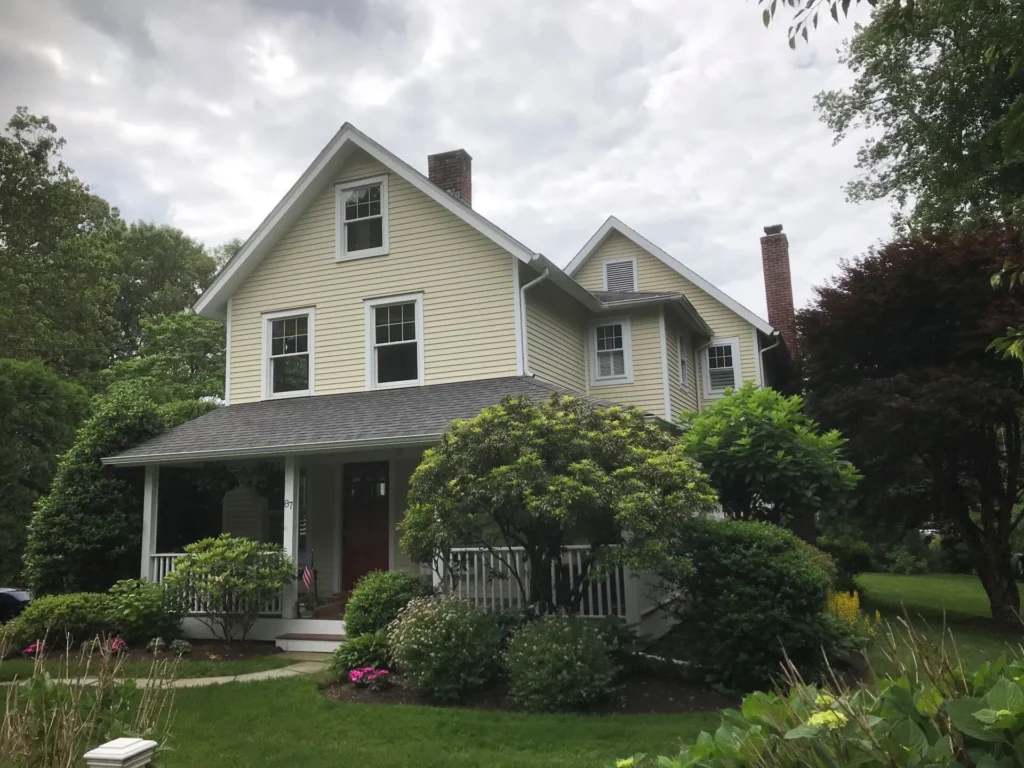
Rumson’s mix of coastal peninsula homes, historic estates, and new developments presents unique inspection challenges. Homes near the Navesink River, Shrewsbury River, and Sea Bright border face salt air and flood-related moisture risks. Meanwhile, older inland properties may show foundation settlement, original wiring, or outdated HVAC systems.
Our inspectors know what’s normal for Rumson homes and what’s not. You’ll get a calm, honest perspective no exaggeration, no confusion, just clear answers about your property’s true condition.
Rumson properties can combine older construction, large additions, river exposure, and complex rooflines. An inspection should connect the visible condition of foundations, lower levels, grading, roof drainage, siding, windows, decks, and mechanical systems to the home's setting. Near the Navesink or Shrewsbury rivers, ask questions about past water entry, drainage, exterior corrosion, and any storm or renovation records. A drone roof inspection may be useful for high or difficult roof areas when included in the written scope.
Rumson is characterized by large, architect-designed homes built primarily between 1880 and 1930. This legacy left the borough with substantial lot sizes, diverse architectural styles, and construction quality that often exceeded typical residential standards of the period. The housing stock includes examples of Queen Anne, Colonial Revival, Tudor Revival, and Shingle Style architecture, many of which remain in active use today.
Properties of this scale and age present inspection considerations that differ from smaller, more recently built homes. Original construction frequently included features such as multiple chimneys (many now unused), complex rooflines with valleys and intersecting gables, formal entry halls with decorative plaster or woodwork, and service areas that indicate the home's original design intent. The inspection documents the accessible condition of each chimney, even those no longer in service, because deteriorating masonry can allow water infiltration that affects interior finishes or structural framing.
Many Rumson properties have been renovated, expanded, or rebuilt over the decades. A home that began as a 1900-era Colonial Revival structure may have received additions in the 1960s, 1980s, and again in the 2000s, each with its own foundation type, framing method, and mechanical systems. The inspection clarifies where these transitions occur, how they are integrated, and whether any visible evidence suggests movement, settling, or moisture intrusion at connection points.
Interior mechanical systems in estate-scale homes are often more complex than in smaller residences. Multiple heating zones, separate air conditioning systems for different wings or floors, and high-capacity kitchen equipment are common. The inspection assesses the accessible condition and operation of each system component, but fully evaluating capacity, efficiency, and code compliance may require input from HVAC or electrical specialists, particularly if systems were installed decades ago and serviced piecemeal.
Rumson occupies a peninsula bordered by the Navesink River to the north and west and the Shrewsbury River to the south. This geography creates a high proportion of waterfront or water-view properties, and proximity to tidal estuaries introduces environmental factors that affect home condition over time. Salt air accelerates corrosion of outdoor equipment, metal roofing components, and any exposed fasteners or flashing. Properties with original or period copper gutters, decorative ironwork, or metal roof details should be assessed for visible rust, verdigris, or deterioration that may require restoration.
Waterfront estates often include engineered bulkheads, boat docks, and riparian grant rights that allow direct river access. These features fall outside the scope of a standard home inspection, but their condition can influence site stability and drainage patterns around the home. A failing bulkhead or distressed dock may indicate broader concerns with shoreline erosion or water table fluctuations that could affect the property's foundation or lower-level moisture control.
Homes built close to the rivers may have been elevated or flood-proofed in response to FEMA mapping changes or post-storm rebuilding requirements. The inspection documents the visible elevation of mechanical equipment, the materials and construction of any enclosed lower levels, and evidence of past flooding or water entry where accessible. Buyers of waterfront properties should request elevation certificates, prior flood claims history, and maintenance records for any sump pumps or drainage systems installed as part of flood mitigation work.
Most single-family inspections in Rumson run 2-3 hours, depending on the home’s size and age. A condo may take about an hour, while a large waterfront estate can run 4-6. You’re welcome to walk it with us as we go.
No. Those features require assessment by a marine contractor, surveyor, or structural engineer. A home inspection evaluates the house and its major systems. If the property includes waterfront infrastructure, request a separate marine survey and ask the seller for permits, maintenance records, and engineering documents related to bulkhead or dock construction.
The inspection documents transitions between the original structure and later additions, noting differences in foundation type, framing methods, roof systems, and mechanical installations. It assesses how these sections are integrated and whether visible evidence suggests movement, settling, or moisture intrusion at connection points. Request building permits and contractor records for all additions and major renovations from prior owners to understand the sequence and scope of past work.
Yes, and on a large property the detail that matters is where the test goes. Radon is determined by soil and foundation, not by the Navesink or the Shrewsbury. An estate-scale Rumson house often has several foundation types under one roof after decades of additions, which means one wing may sit on an old fieldstone cellar while another sits on a modern slab. A single monitor in the wrong wing can under-represent the house. Nearwater uses NRPP-certified continuous monitors over a 48 hour period and provides EPA-compliant results. Walk the lower levels with me before testing so placement reflects how the house is actually occupied.
Yes. We frequently inspect homes in Rumson, Sea Bright, and surrounding peninsula communities, where salt exposure, humidity, and flood conditions can impact structure and systems.
Inspection cost is based on the home’s total square footage, the number of heating and cooling systems, the complexity of the roof and exterior, and the presence of outbuildings such as pool houses, guest cottages, or carriage houses. Estate-scale properties with multiple mechanical zones and extensive grounds take longer to inspect than smaller homes. Optional services including radon testing, mold sampling, and drone roof inspections are priced separately. Request a written quote that reflects the property’s actual characteristics.
Nearwater Property Group serves Rumson and the surrounding Monmouth County communities. See every area we cover on our home inspection service areas page, or choose a nearby town below.
Choose a buyer home inspection or a pre-listing inspection before selling. Ask about radon and mold testing and drone roof inspections when scheduling.
Get the clarity you need before you buy, sell, or renovate a Rumson home.

Thanks for stopping by! Where here to help, Please don’t hesitate to reach out