
Buyers ask me what home inspectors usually find, and they are usually bracing for something exotic. The truth is that the same short list of defects comes up again and again, and near the water in Monmouth County that list looks different than it would forty miles inland. Salt, wind-driven rain, high water tables, and a decade and a half of post-storm elevation work have given Point Pleasant Boro, Manasquan, Brielle, and Sea Girt their own signature set of problems.
Here is what I actually write up most often on this stretch of coast, and how much each one should weigh on a decision.
Blocked or missing flood vents on elevated homes
This is the one buyers here almost never know to look for, and it is the one I flag most.
When a house is elevated and the space underneath gets enclosed for parking or storage, that enclosure sits below the base flood elevation. Code requires engineered or non-engineered openings in those walls so floodwater can pass through in both directions and equalize the pressure instead of pushing a wall over. The standard for non-engineered openings is one square inch of net open area for every square foot of enclosed area, spread across at least two walls facing different directions, with the bottom of each opening within a foot of the adjacent grade.
What I find is rarely a house with no vents. It is a house with vents that have been defeated. Louvers screwed shut against drafts. A vent buried behind a rack of paddleboards and beach chairs. Insulation stuffed into the opening from inside. A new stone driveway regraded so the bottom of the vent now sits a foot and a half above grade. In every one of those cases the house looks compliant from the street and is not functioning as designed.
It is worth flagging for two reasons. It is what protects the enclosure walls in a surge, and openings are one of the items that feeds an elevation certificate, which feeds the flood insurance rating on the property.
Corrosion in the electrical service, well before its time
Salt air does not need a hurricane to do damage. Anything metal and outdoors on a shore property ages fast, and the electrical service is where it matters.
I open the exterior disconnect on a house four blocks from the beach and find white powder on the lugs and pitting on the bus. I see meter socket covers rusted at the bottom edge where water sat, service entrance cable with a cracked jacket at the weatherhead, and outdoor GFCI receptacles whose covers rotted off years ago. Interior panels on the water side of town show the same corrosion at the neutral bar.
None of this is exotic. It is just accelerated. A panel that would have another twenty years in Colts Neck may be at the end of its service life in Sea Girt, and the difference is not visible in the listing photos.
Moisture at windows and sills that has not reached the drywall yet
I run a pinless moisture meter across sills and the wall directly under windows on the south and east elevations, the ones that take wind-driven rain off the water. A reading that jumps on one sill while every other sill in the house reads flat is a flashing or caulk joint that stopped working, usually a year or more before anyone would have seen a stain.
Catching it at that stage is the difference between a caulk and paint job and opening the wall.
Bath fans that vent into the attic
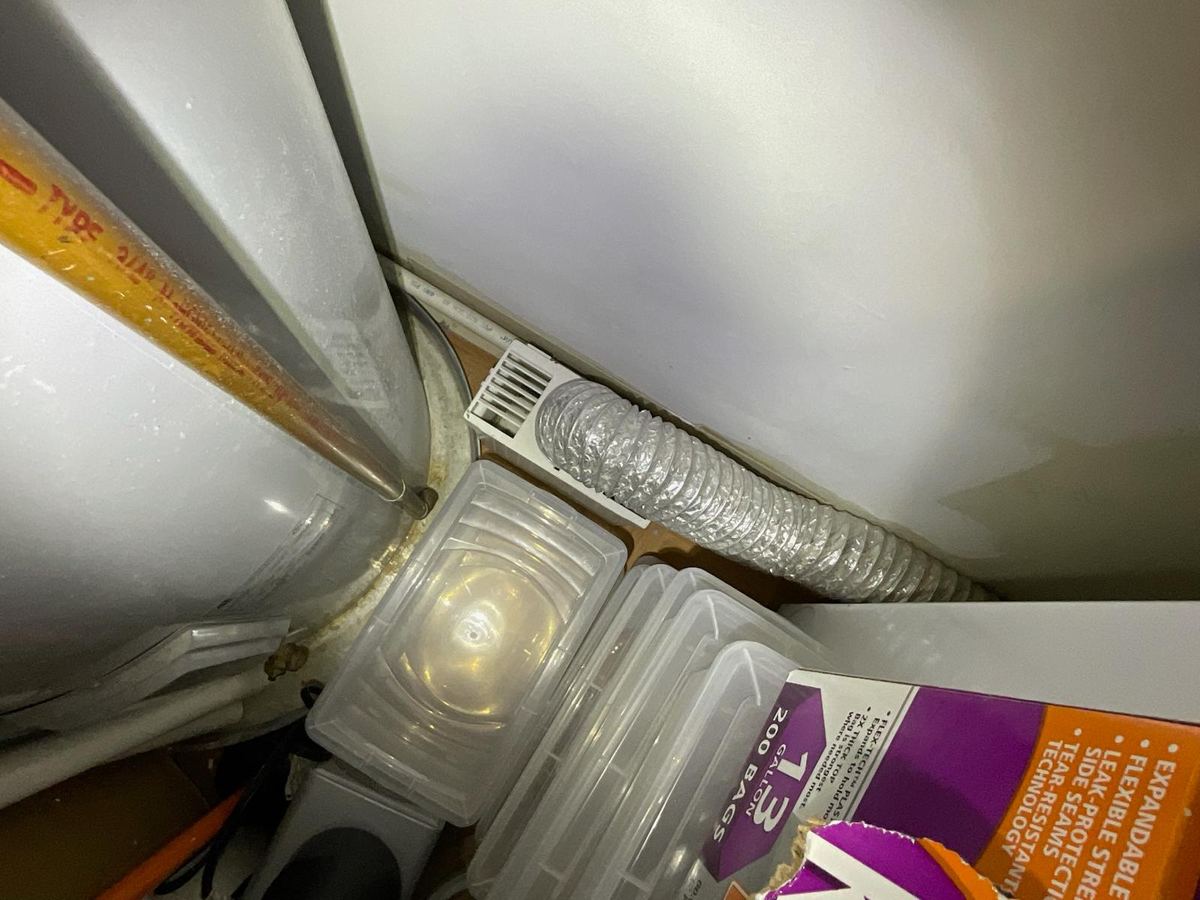
This one is universal, not coastal, but the humidity here makes the consequences arrive faster. A fan is ducted up through the ceiling and then simply ends in the attic, or the duct has separated from the roof cap and lies on the insulation blowing warm wet air into a cold space. In a shore house that is already dealing with high ambient humidity most of the year, that condenses on the roof sheathing, and the underside of the sheathing goes dark. I have seen it happen in under three seasons.
Deck ledger attachment and hardware that is the wrong metal
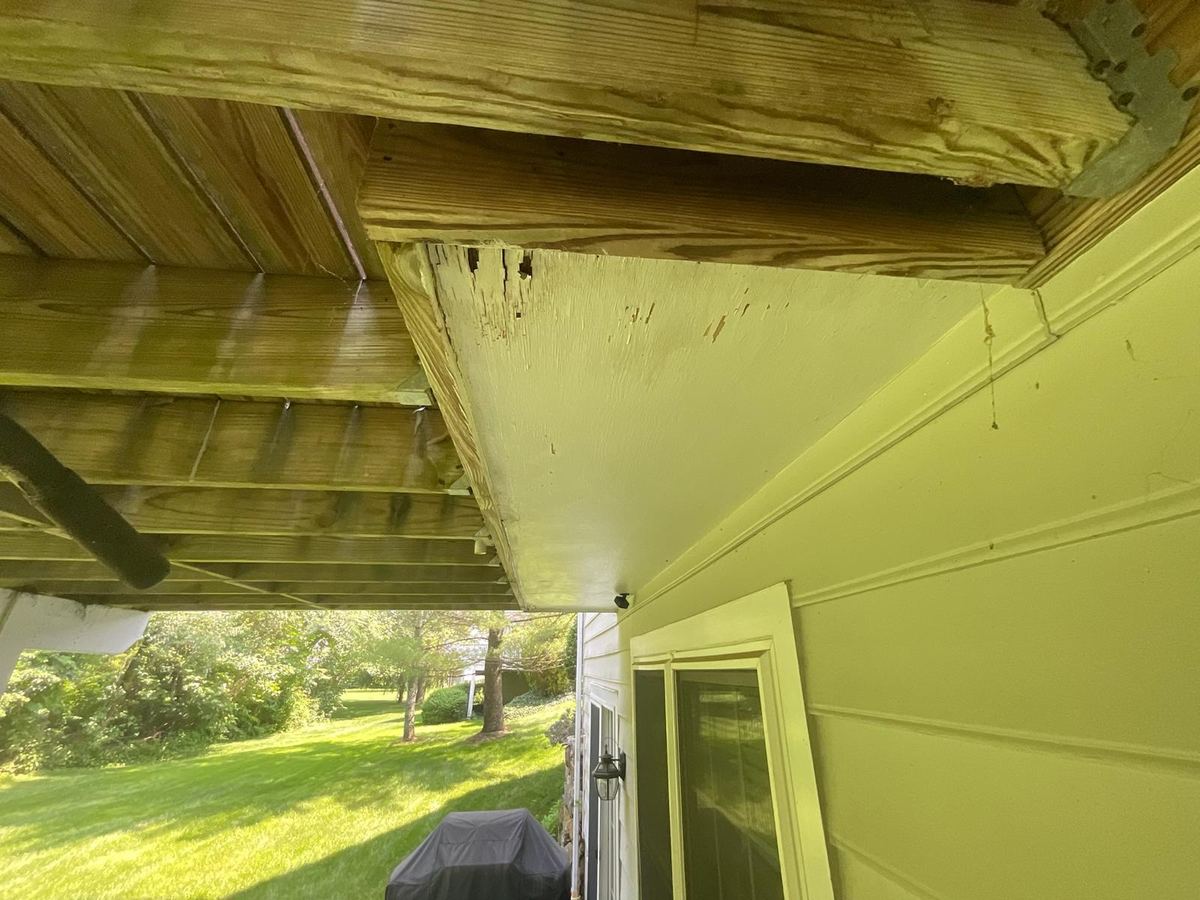
Decks here get a lot of use and a lot of weather. What I look at first is the ledger, where the deck attaches to the house: is it lagged or bolted properly, and is it flashed so water does not run down the band joist. Nailed ledgers still turn up.
Then I look at the metal. Modern pressure treated lumber is hard on ordinary galvanized fasteners and connectors, and near salt water the failure is faster. Rust streaks running down from every joist hanger tell you the hardware is being consumed. The board looks fine. The connection is the problem.
What home inspectors usually find that does not deserve the panic it gets
Not everything in the report carries the same weight, and part of my job is saying so.
Efflorescence on a basement or crawlspace foundation wall means water has moved through the masonry at some point. On the shore, with a high water table, that is common and often historical. What matters is whether it is active, whether the grading and downspouts are moving water away, and whether there is a functioning sump with a discharge that goes somewhere sensible.
Small stress cracks in stucco or a hairline vertical crack in a poured foundation are usually curing and settlement, not structure. A stair-step crack in block that is wider at one end, or a horizontal crack with displacement, is a different conversation and I will say so clearly.
A twenty year old furnace is not automatically a defect. It is a budgeting item. I would rather tell you an appliance is near the end of its life than write it up as a failure it has not had yet.
Common questions
Do home inspectors come inside the house? Yes. A standard inspection covers the interior and exterior: roof, structure, foundation, crawlspace or basement, electrical, heating and cooling, plumbing, insulation and ventilation, and the interior finishes, doors and windows.
Does a home inspector check the plumbing? Yes, the accessible portions. I run fixtures, check drainage and supply, look at the water heater, its temperature and pressure relief valve and its discharge pipe, and inspect visible supply and drain piping. What I cannot do is see inside walls or inside the buried sewer lateral, which is why a separate sewer scope is worth considering on older shore properties with mature trees.
Can I be at the inspection? Please come. Walking the house together is the most useful part of the day, because I can point at the thing and explain it rather than describing it in a paragraph later. Written reports go out within 24 hours.
Is a home inspection required in New Jersey? No. It is not mandated by law, and no lender forces one the way an appraisal is forced. It is contractual: most contracts here include an inspection contingency period, and the inspection is how you use it.
Getting a straight read on the house you are buying
Every one of the items above is findable in a couple of hours by someone who knows what these houses do. What is worth paying for is not a longer list of defects, it is an accurate sense of which three things on the list should change your thinking.
Learn more about a buyer’s home inspection, our radon, mold and air quality testing, and drone roof inspections for steep or storm-damaged roofs. If you are under contract in Point Pleasant, Manasquan, Brielle, or anywhere else in Monmouth County, call 732-800-2318 and we will get you on the schedule inside your contingency window.