Does a home inspector check plumbing? Yes, and it is part of every inspection I do. But buyers in Monmouth County usually picture something different from what actually happens, and the gap between the two is where people get surprised after closing.
The short version: I test what is visible and operable on the day I am in the house. I run fixtures, I read pressure, I look at the equipment, and I report what I find. I do not open walls, I do not dig, and there are a few plumbing systems that fall outside a standard inspection entirely. Knowing which is which before you get the report saves you a hard conversation during attorney review.
What a home inspector does check in the plumbing system
I start at the street side and work inward.
The water service entry tells me a lot before I touch a fixture. I want to see what the supply line is made of and how it transitions into the house. Then I look for a main shutoff that actually works, because a buyer who cannot find the shutoff at 11pm in February is a buyer with a flooded basement.
Pressure is the next thing, and it is a number, so it is easy to be honest about. I put a gauge on an exterior spigot or a laundry connection and read it.
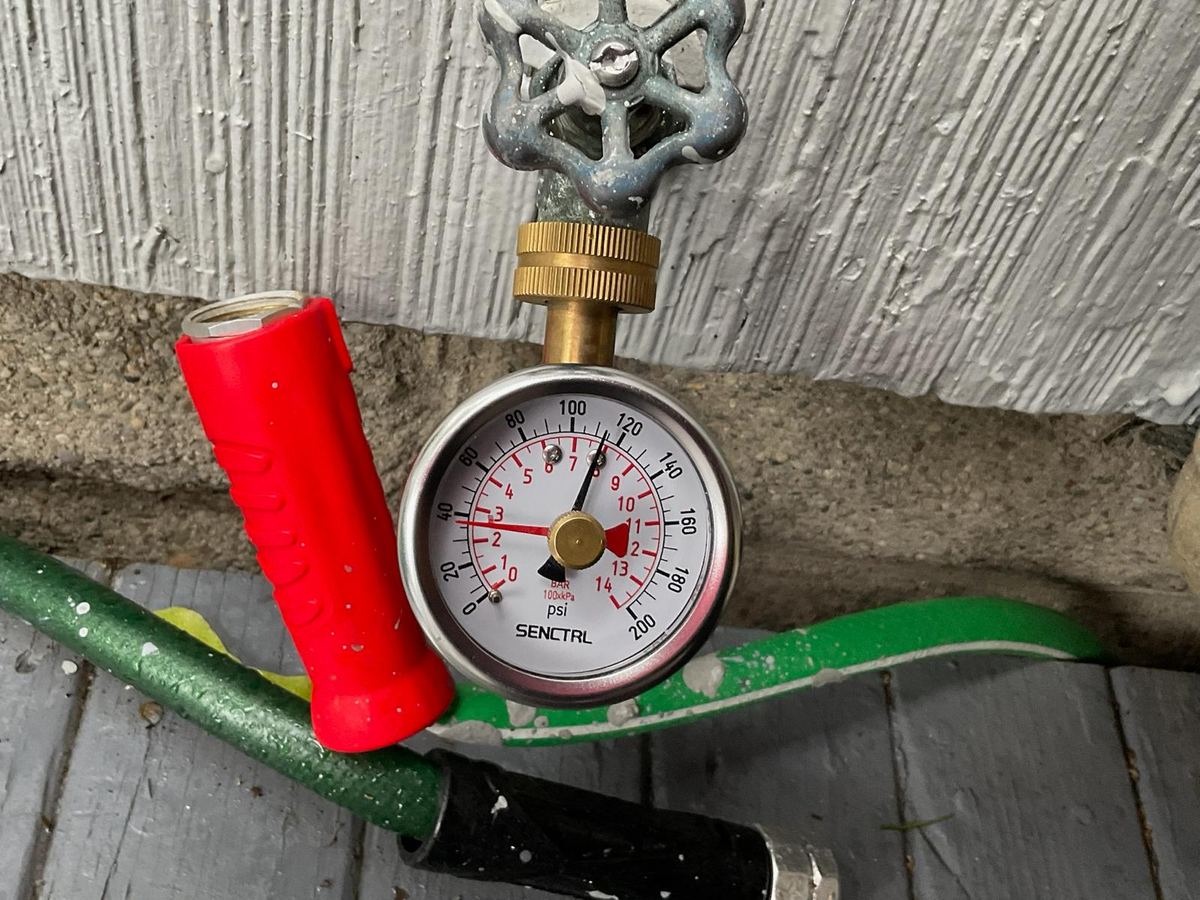
Eighty psi is the practical ceiling. Above that, the house needs a pressure reducing valve, and if there is one already, it may have failed. High pressure does not announce itself. It quietly shortens the life of every washer, dishwasher, ice maker and supply hose in the building, and it makes a burst connection far more likely.
From there I run water. Every sink, every tub, every shower, both temperatures. I fill basins and drain them to see how the waste line handles volume rather than a trickle. I flush every toilet and watch whether it refills cleanly and whether it rocks on the floor, because a toilet that moves is a wax ring that is leaking into the subfloor. Under each sink I look at trap material, connections, staining, and whether somebody has done a repair with the wrong parts.
Then the water heater, which is where I probably write more comments than anywhere else in the plumbing section. Age, capacity, venting, connections, seismic or strapping issues where they apply, and the temperature and pressure relief valve.
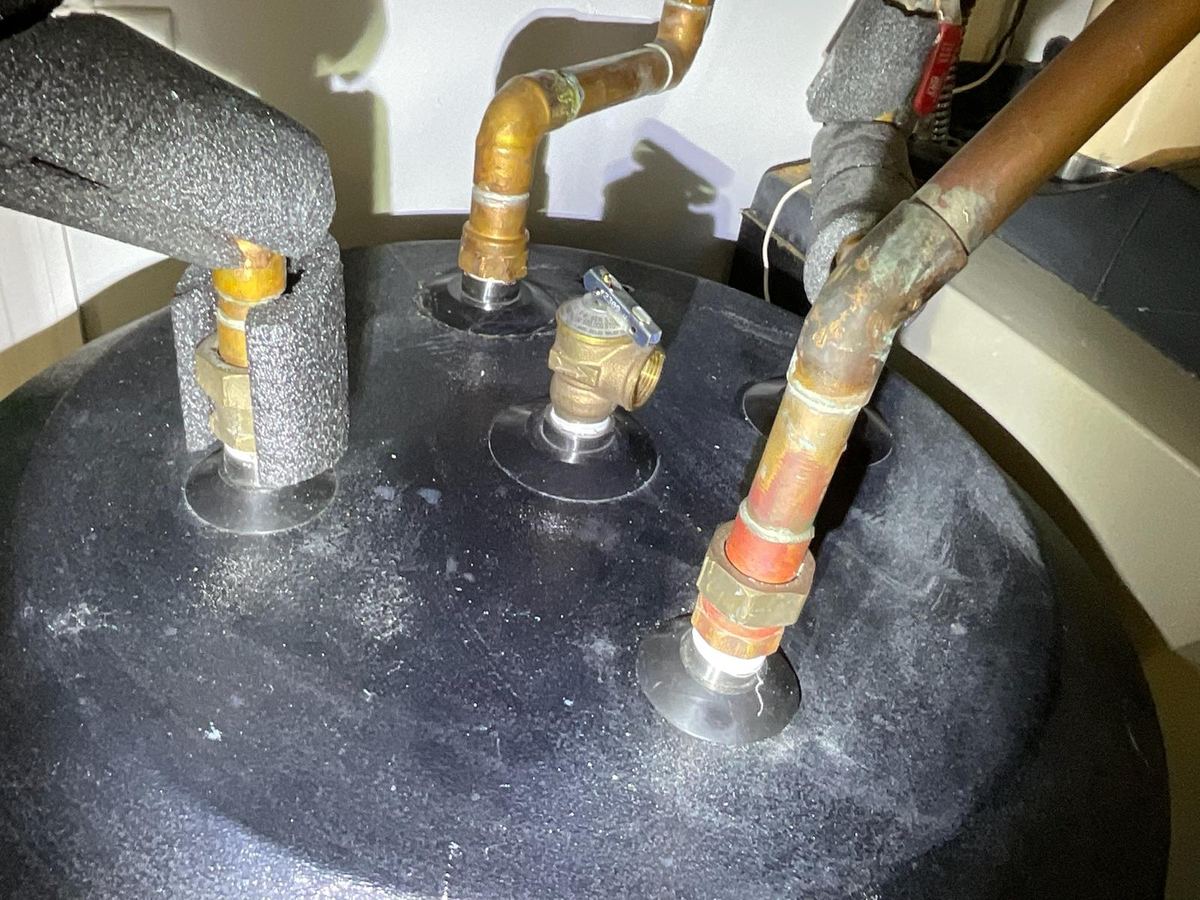
That missing tube is a good example of why I care about the plumbing section. It is a cheap part. It is also the single safety device standing between a stuck thermostat and a tank under pressure, and half the time nobody has looked at it since installation.
What I cannot check, and why that matters in Monmouth County
This is the part worth reading twice, because it decides whether you need a second specialist before your inspection contingency runs out.
I cannot see inside walls, under slabs or below grade. Supply and waste lines that run through framing are inspected where they are visible, in a basement or a crawlspace or an unfinished ceiling. Anything buried is reported by its symptoms, not by direct observation.
I do not perform sewer scopes as part of a standard inspection. If the house is older, or there are mature trees between the house and the street, or the sellers mention repeated backups, that is a camera job for a licensed plumber. Around here that is a real risk on older Point Pleasant, Manasquan and Red Bank housing stock, and it is one of the few defects that can cost more than the inspection ten times over.
I do not inspect septic systems. A number of properties in the western part of the county are on septic rather than sewer, and a septic evaluation is a separate discipline with its own testing. If your house is on septic, book that separately and book it early.
I also do not test water quality. Well water testing is its own scope with its own lab work.
Nothing on that list is me dodging. A standard inspection is a broad visual survey by design, and it is what identifies which narrow specialist you actually need. Most houses need none of them. The point is finding out on day three of your contingency period rather than day twelve.
The plumbing findings that repeat around here
Coastal and near coastal houses have their own pattern. Salt air and older shore houses that started as seasonal cottages give me a specific set of comments.
Mixed supply materials, where somebody replaced a run and tied new pipe to old with the wrong fitting, and the fitting is now corroding. Shutoff valves under sinks that have not been turned in twenty years and will not close. Washing machine supply hoses that are rubber and original, which is the most common single cause of interior water damage I see.
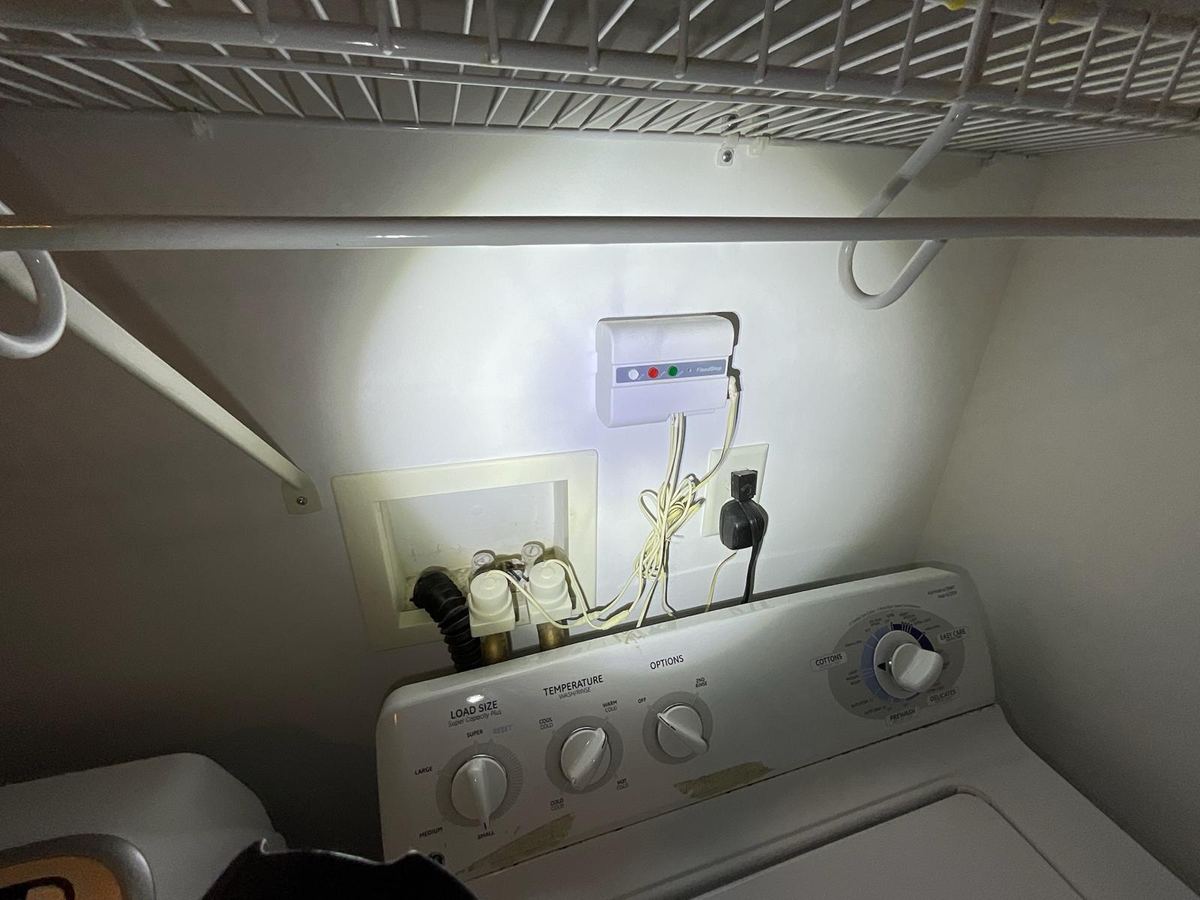
I flag the ones that need attention and I say what the fix looks like. What I do not do is turn a corroded fitting into a catastrophe, or wave off a soft spot in a subfloor as nothing. Inspections without the drama means the report reads the same way whether you are the buyer, the seller or the agent.
Common questions
Does a home inspector check plumbing under the sink? Yes, wherever there is access. I open the cabinet, look at the trap and supply connections, run the fixture, and check for active leaks and past staining.
Do home inspectors check water pressure? I do, with a gauge, and I report the reading. It is one of the few plumbing items that gives a hard number rather than a judgment call.
Does a home inspection include a sewer line camera? No. That is a separate service from a licensed plumber. I will tell you if what I see suggests you should order one.
Do home inspectors test the water heater? The heater gets inspected, including its age, venting, connections and relief valve. I run hot water at fixtures to confirm it is producing. A full combustion analysis is a licensed HVAC or plumbing scope.
Is plumbing included in a pre-listing inspection? Yes, the same scope. Sellers usually want it precisely so a plumbing surprise does not blow up their deal three weeks in.
Booking one in Monmouth County
If you are under contract in Point Pleasant, Wall Township, Brielle, Spring Lake or anywhere else along the shore, the plumbing section of the report is one of the places where a small amount of attention now prevents a much larger repair later. My reports are digital and you have them within 24 hours, so you are not waiting on paperwork while your contingency clock runs.
Have a look at what a full home inspection covers, or at pre-listing inspections if you are on the selling side, and check the service areas list for your town.
Call me at 732-800-2318 and tell me the address and the age of the house. If I think you need a sewer scope or a septic evaluation on top of the inspection, I will say so on the phone before you book, not after.