
Home Inspector’s Guide to Energy Monitoring Systems: What to Know Before You Buy
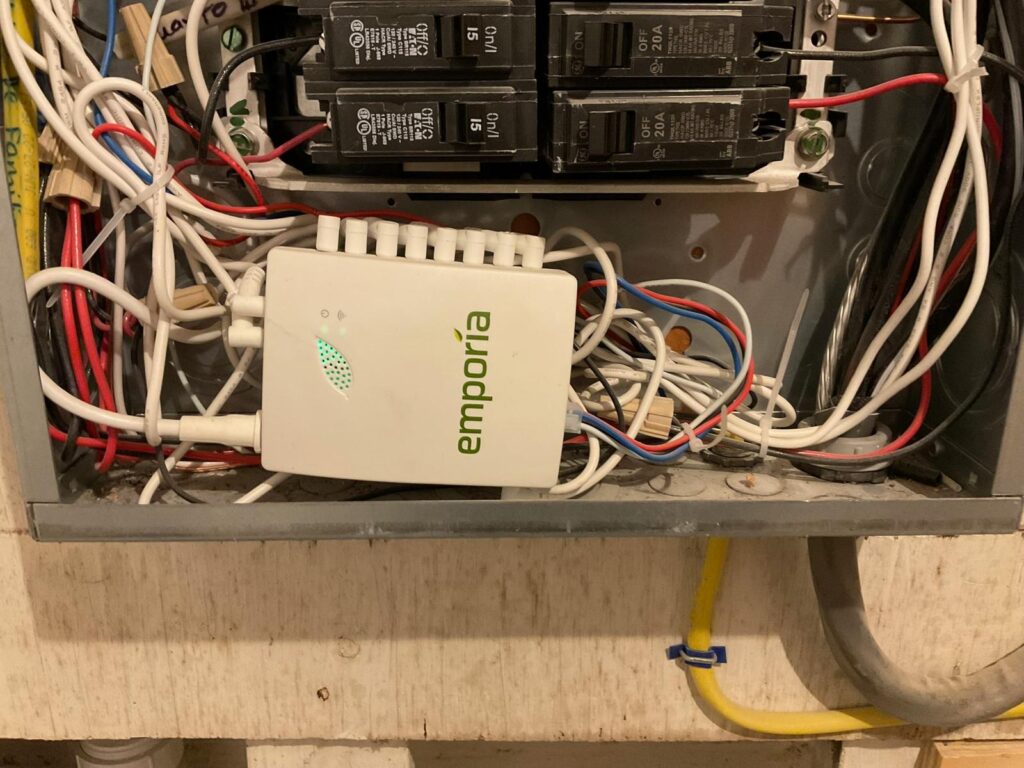
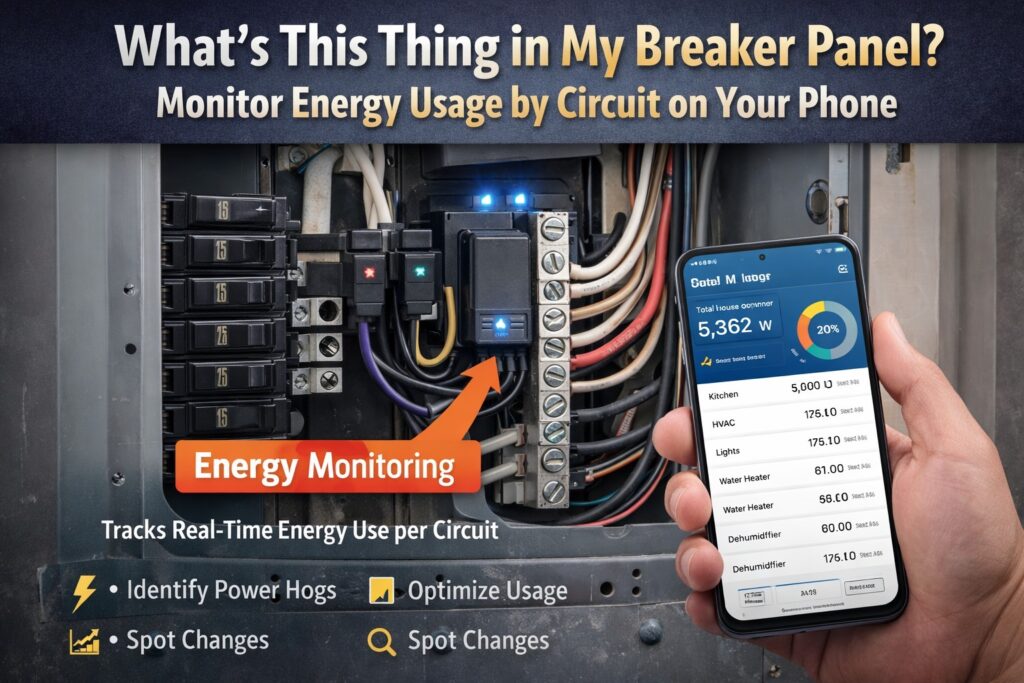
What’s this thing in my breaker panel? If you’ve spotted a small module with wires and clamps tucked inside or beside your electrical panel, you’re looking at a home energy monitor. This device tracks electricity use by circuit and sends that data to an app on your phone. Knowing which circuits are energy hogs and spotting unusual spikes can save you money and frustration—let’s break down how it works and what you need to know before buying. Learn more about evaluating energy efficiency during home inspections.
Understanding Home Energy Monitors
What Is It?
A home energy monitoring system is a smart technology that connects to your electrical panel to measure and track power usage throughout your home. Unlike basic whole-house meters, modern systems can monitor individual circuits, giving you granular data about which parts of your home use the most electricity.
How It Works
These systems typically consist of three main components:
-
Sensor clamps (CT clamps) that wrap around main service conductors or individual circuit wires
-
A monitoring module that collects and processes the data
-
A smartphone app or web dashboard that displays your energy usage
The sensors measure the electrical current flowing through each wire, and the monitoring module translates this into usable information about your electricity use. No need to understand the technical details – the system handles the complicated stuff.
Real-World Benefits
Circuit monitors help homeowners in practical ways:
-
Finding out why your bill suddenly jumped (Was it that new dehumidifier?)
-
Identifying which circuits cost the most to operate
-
Spotting appliances that are failing or inefficient by detecting unusual power draws
-
Optimizing HVAC usage by seeing exactly when it runs and how much it costs
-
Scheduling EV charging during lower-rate hours
-
Verifying the impact of energy-efficient upgrades
One customer discovered their ten-year-old refrigerator was using three times more power than a new model would, making replacement a smart financial decision.
What It Looks Like in a Panel
When inspecting your electrical panel, you might notice:
-
A small electronic module (typically 4-6 inches long) mounted inside or adjacent to the panel
-
Multiple thin sensor clamps wrapped around the main service conductors or individual circuit wires
-
Neatly routed low-voltage wiring connecting the sensors to the module
-
Sometimes a small antenna or WiFi connection component
-
Occasionally, the main unit may be mounted on the wall beside the panel rather than inside it
What It Doesn’t Do
Setting realistic expectations is important:
-
It’s not a replacement for an electrician. The monitor can tell you something’s wrong but not how to fix it.
-
Simply having a monitor won’t automatically save money; you need to act on the information.
-
Some systems claim to identify specific devices (like “refrigerator” or “TV”), but this is based on usage patterns and estimates, not direct measurement.
-
Accuracy varies between brands and models, particularly for device-level detection.
Safety and Inspection Perspective
As a home inspector, I always emphasize these important points:
-
Homeowners should never open electrical panels or touch any components inside.
-
Properly installed energy monitors should be securely mounted, have neat wiring, and not interfere with panel operation or safety.
-
Labels identifying the monitor and its purpose help future homeowners understand what they’re looking at.
-
During home inspections, we document these systems and recommend electrician evaluation if the installation appears questionable.
Sample inspection note: “Home is equipped with a circuit-level energy monitoring system installed in the main electrical panel. System appears properly installed with secure connections and does not interfere with panel operation. Recommend asking current owner for app access information.”
Frequently Asked Questions
What is the device in my breaker panel with wires and clamps?
It’s likely a home energy monitor that tracks your electricity usage by circuit and sends the data to an app.
Is an energy monitor safe in my electrical panel?
When properly installed by a qualified electrician, energy monitors are safe and don’t interfere with your electrical system.
Can it really track each circuit in my home?
Yes, modern systems can monitor individual circuits, showing you which areas of your home use the most power.
Will it lower my electric bill?
The monitor itself won’t reduce costs, but the information it provides can help you make changes that save money.
Do I need an electrician to install it?
Yes. Installation involves working inside your electrical panel, which requires professional expertise for safety.
Get Expert Guidance
If you’re purchasing a home with an energy monitoring system or considering adding one to your current property, a professional home inspection can help you understand what you’re looking at. Our inspectors can explain how these systems integrate with your home’s electrical system and what maintenance or considerations they require.
We’ll walk you through what you’re seeing and what matters for safety and functionality. Schedule an inspection today to get a complete picture of your home’s electrical system and smart technology components.