Professional Air Pump Mold Testing: Detecting Hidden Air Quality Issues
Mold-in-air testing plays a crucial role in identifying hidden indoor air quality issues that may not be visible during a standard home inspection. Air sampling helps detect airborne mold spores that could originate from concealed moisture problems behind walls, ceilings, or flooring. This provides homeowners and buyers with a clearer understanding of potential health risks and structural concerns before they become costly problems.
How Air Pump Mold Testing Works
There are several effective methods for conducting mold air testing. Inspectors commonly use spore trap air samples, which capture airborne particles on a cassette that is later analyzed by a certified laboratory. In some cases, inspectors may also recommend outdoor baseline samples to compare indoor spore levels and determine whether elevated concentrations are coming from indoor sources. When necessary, additional testing such as ERMI or viable culture sampling may be used to identify specific mold species and assess the severity of contamination.
The Science Behind the Air Sampling Pump
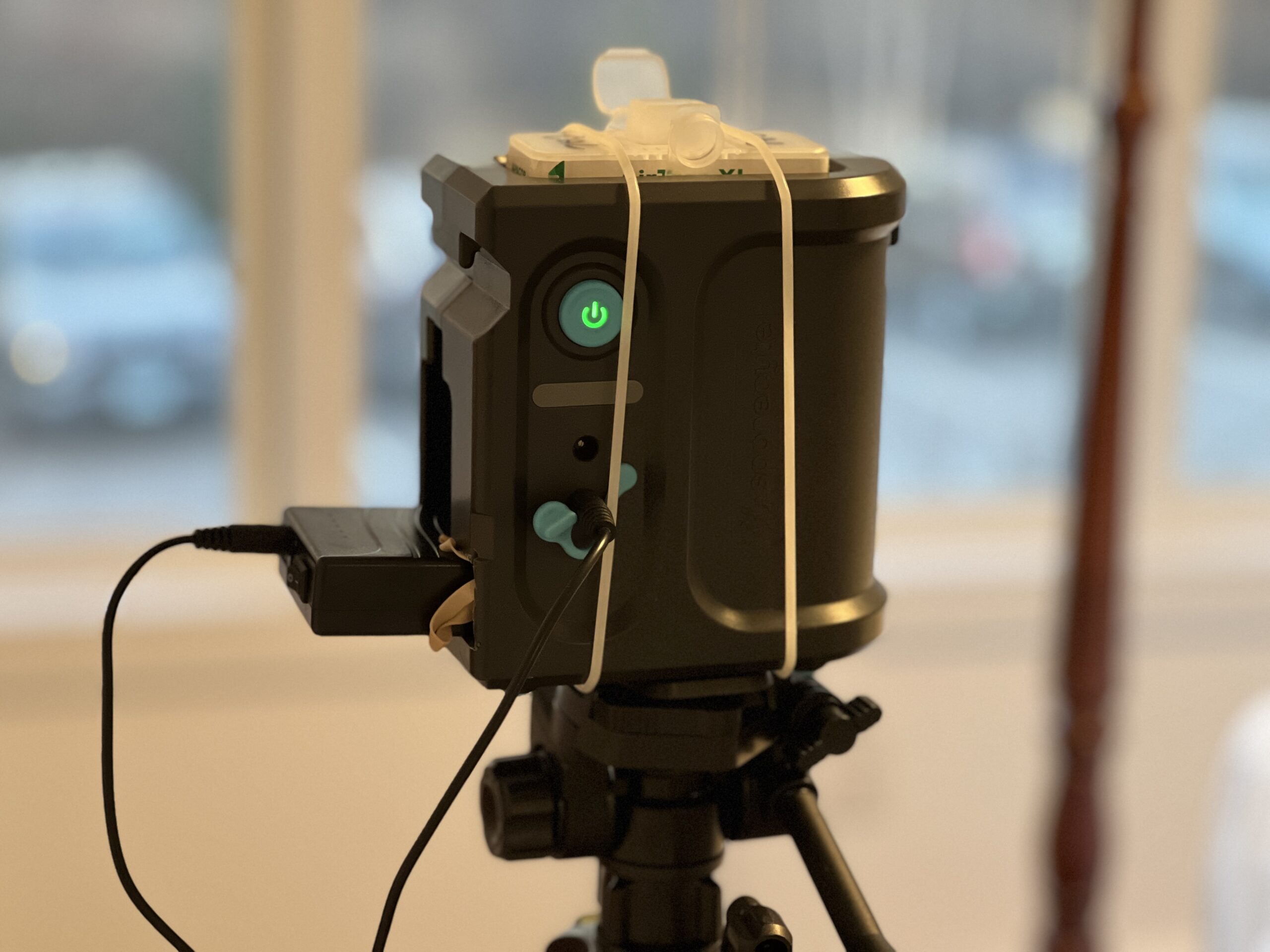
At the heart of professional testing is the calibrated air sampling pump. This device pulls a specific volume of air (typically 15 liters per minute) through a collection cassette. This precision ensures that the laboratory-grade analysis reflects an accurate concentration of spores per cubic meter of air, offering a level of detail that “DIY” petri-dish kits simply cannot match.
Key Benefits of Mold Air Sampling
The benefits of mold air testing extend beyond immediate detection. By identifying elevated mold levels early, homeowners can take proactive steps to address moisture issues, improve ventilation, and prevent further mold growth. Buyers gain peace of mind knowing the property’s indoor air quality has been thoroughly assessed, while sellers can use clean test results to instill confidence in potential purchasers. Overall, mold air testing provides valuable data that supports informed decision-making, healthier living environments, and better long-term home maintenance.
When Should You Schedule an Air Quality Test?
Unexplained Health Symptoms: If residents experience persistent allergies, asthma, or respiratory irritation while indoors.
Musty Odors: If you smell mold but cannot see it, hidden growth is likely present behind walls or under floors.
Post-Remediation: To verify that a professional mold cleanup was successful (Clearance Testing).
Real Estate Transactions: To ensure a new investment is free from hidden structural mold issues.
Test Type
Primary Use
What It Detects
Spore Trap (Air Pump)
Active Airflow Analysis
Total Airborne Spore Count
Surface Swab
Visible Growth Analysis
Identifies specific visible mold species
Outdoor Baseline
Comparison & Control
Normal environmental mold levels
Comparison of professional mold testing methods.
Ready to breathe easier? Ensure your home is safe with professional air pump mold testing and get laboratory-verified results you can trust.
Let's Talk
Thanks for stopping by! Where here to help, Please don’t hesitate to reach out