Natural Gas and Propane Safety for Homeowners: Key Insights From Professional Home Inspectors
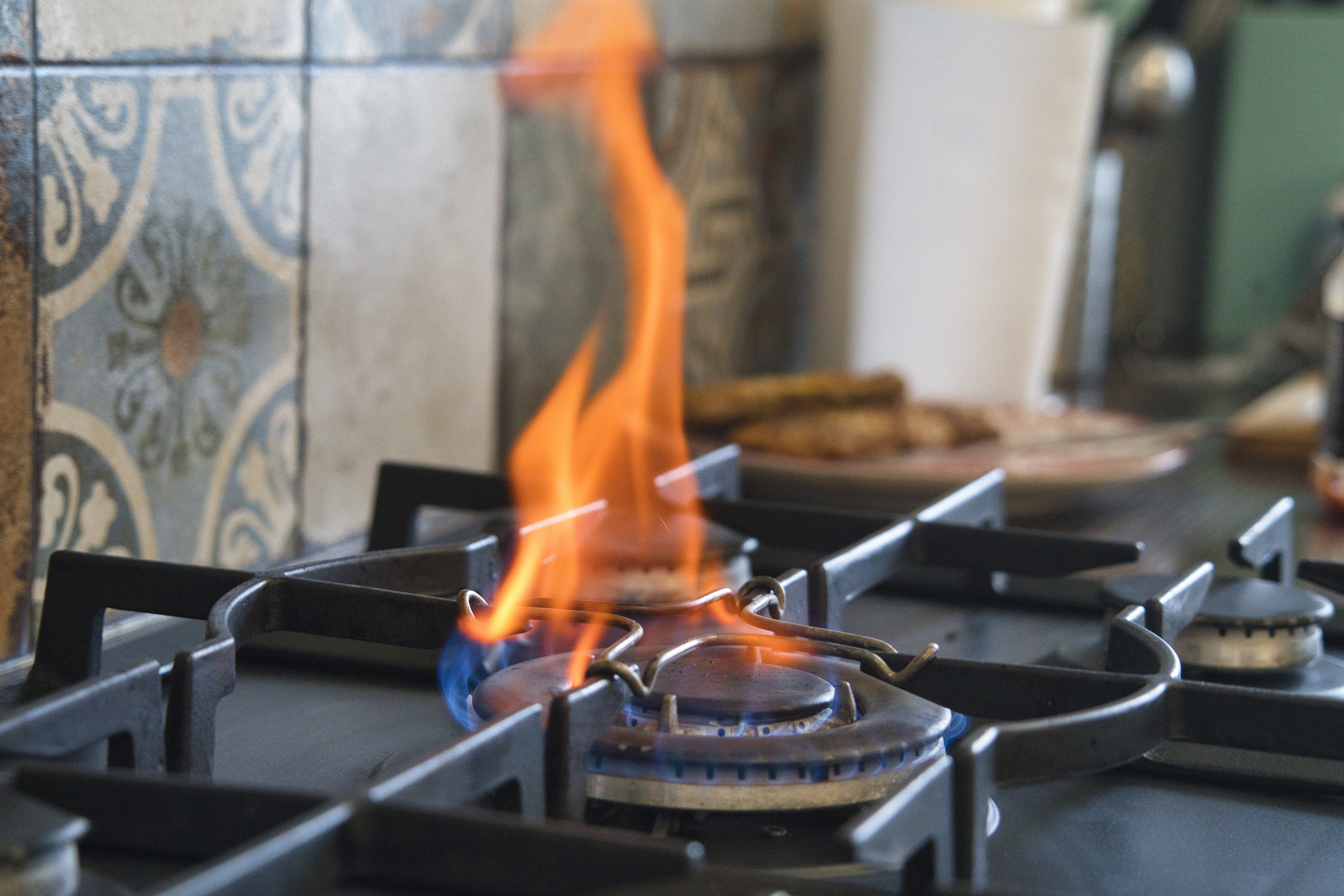
Big yellow flames and black, sooty smoke are clear signs something’s wrong with your gas appliances. Many homeowners don’t realize that hooking a natural gas appliance to a propane tank creates serious risks, including hidden carbon monoxide dangers. During a Greenwich home inspection, these improper fuel connections stand out and knowing what to watch for can protect your family and your home’s safety. Learn more about natural gas appliance safety.
Understanding Fuel Compatibility
Issues
The Dangers of Mismatched Fuel Sources
When natural gas appliances are connected to propane tanks, they create a dangerous situation that often goes unnoticed until a professional home inspector identifies the problem. These two fuel types operate at different pressures and require specific orifice sizes in appliances designed for each fuel type.
During a Greenwich home inspection, we frequently find improper fuel connections that can lead to:
Incomplete combustion of fuel
Carbon monoxide production and buildup
Excessive heat that damages appliance components
Fire hazards from improper burning
Reduced appliance lifespan
The most visible signs include yellow flames instead of blue ones, black soot accumulating around the appliance, and unusual odors. These indicators show the appliance isn’t burning fuel correctly, which compromises both the equipment and your indoor air quality.
Propane Tank Safety Essentials
Why Proper Installation Matters
Propane tank safety starts with proper installation and compatible appliances. Many homeowners don’t realize that each gas appliance is built for a specific fuel type. Converting between natural gas and propane requires more than just connecting to a different supply, it needs professional modification of the appliance itself.
A qualified home inspector will check for:
Correct labeling on appliances matching your fuel source
Proper installation by licensed professionals
Appropriate gas line materials and connections
Adequate ventilation for all gas appliances
Safety devices like automatic shutoffs functioning correctly
Attempting DIY conversions or hiring unqualified installers can void warranties, violate building codes, and create serious safety hazards.
What Home Inspectors Look For
Identifying Fuel Compatibility Issues
Professional home inspectors are trained to spot the warning signs of improper fuel connections. During a Greenwich home inspection, they will:
Examine flame characteristics in all gas appliances
Look for soot or scorching around burners and vents
Verify appliance rating plates match the home’s fuel source
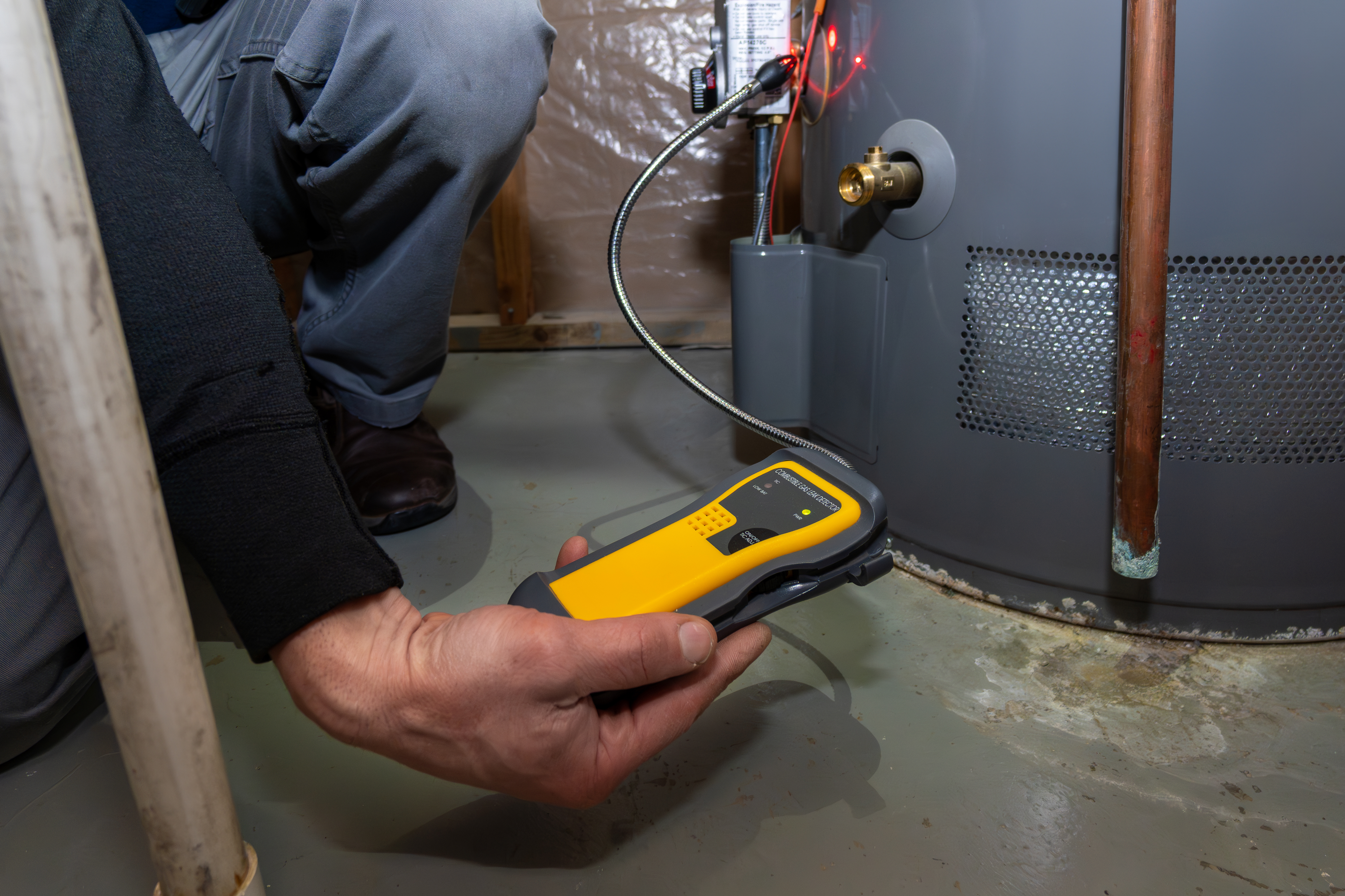
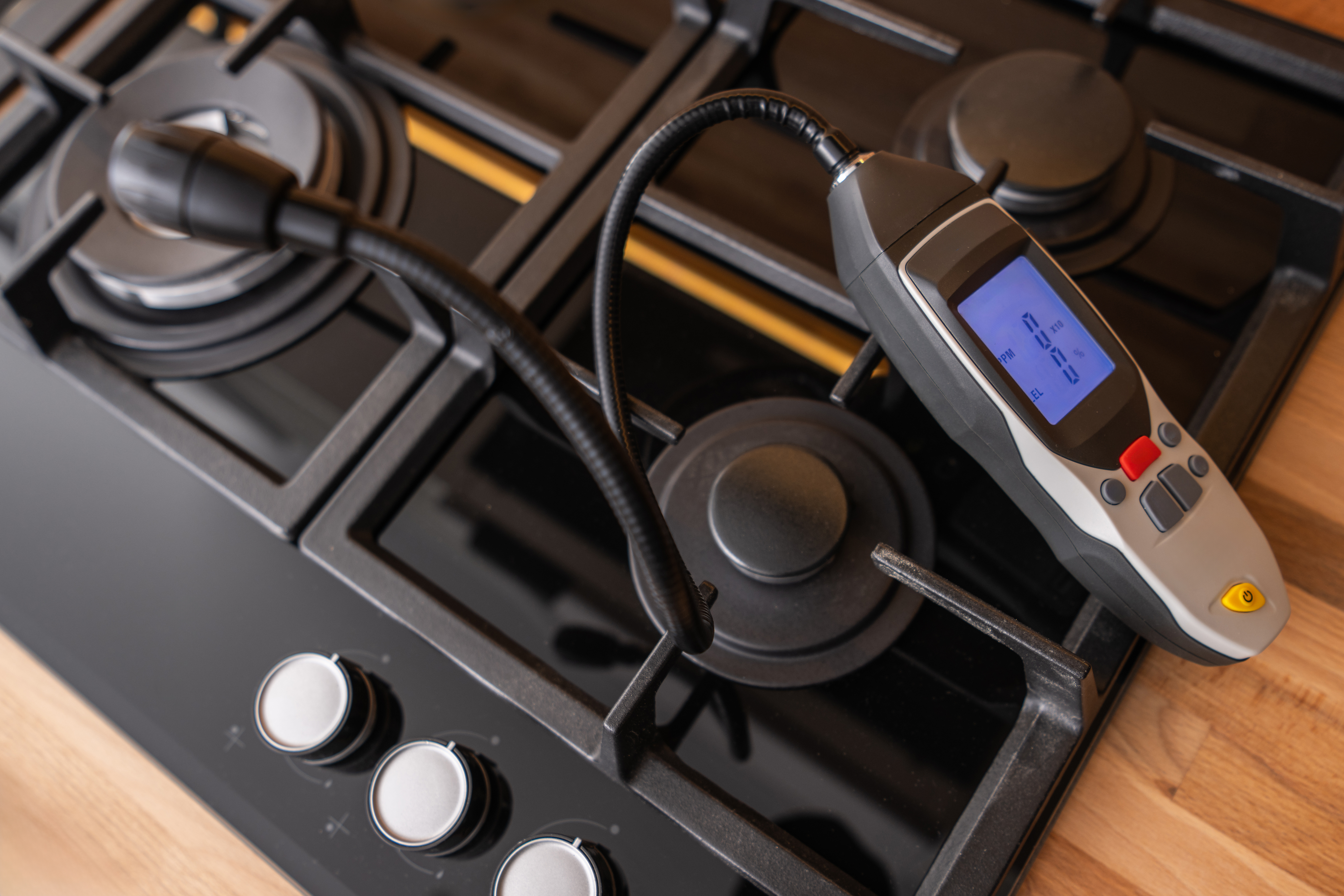
Test for carbon monoxide near operating appliances
Inspect gas line connections for leaks or improper fittings
These checks are crucial safety steps, especially in homes that have changed ownership or undergone renovations. Many “flipped” houses have appliances installed by contractors who may prioritize speed over safety.
Real World Example
In a recent inspection, we found a new gas range installed in a flipped house where the contractor had simply connected a natural gas stove to the home’s propane system. The resulting yellow flames and soot buildup were clear indicators of a dangerous situation. Our inspection report led to proper correction of this issue before the new owners moved in, potentially preventing a serious safety incident.
Protecting Your Family from Carbon Monoxide Risks
The Silent Danger
Carbon monoxide risks are particularly concerning with improper fuel connections because this colorless, odorless gas can build up without obvious warning signs. When natural gas appliances run on propane or vice versa, they often produce carbon monoxide at higher levels.
Safety measures every homeowner should take include:
Installing carbon monoxide detectors on every level of your home
Having annual professional inspections of all gas appliances
Never attempting to convert appliances between fuel types yourself
Keeping proper ventilation around all gas burning equipment
Learning to recognize signs of carbon monoxide exposure (headaches, dizziness, nausea)
A professional Greenwich home inspection includes testing for carbon monoxide levels near gas appliances, which can identify problems before they become life threatening.
Safety Standards for Homes with Gas Appliances
Know the Codes and Requirements
Safety standards for homes with gas appliances are established by local building codes, national organizations, and manufacturer specifications. These standards exist to protect occupants from the dangers of improper installations.
Key requirements typically include:
Proper clearances around appliances
Correct venting for combustion gases
Appropriate gas line materials and sizing
Accessible emergency shutoff valves
Regular maintenance by qualified technicians
Home inspector tips for maintaining gas appliance safety include keeping documentation of all installations and service, never storing flammable materials near gas appliances, and scheduling regular professional maintenance.
When to Call a Professional
If you notice any of these warning signs, contact a licensed gas technician immediately:
Yellow or orange flames instead of blue
Soot buildup around appliances
Unusual odors near gas equipment
Excessive condensation on windows
Pilot lights that frequently go out
Family members experiencing headaches, dizziness, or nausea
For homes with unknown appliance history or those changing ownership, a comprehensive Greenwich home inspection provides peace of mind regarding appliance compatibility and proper fuel connections.
Remember that proper installation and maintenance of gas appliances isn’t just about compliance, it’s about protecting your family’s health and safety in your home.
Learn more about items typically included in a home inspection to ensure you’re getting a thorough evaluation of all safety systems.
Essential Safety Practices
Gas appliance safety starts with knowing what’s installed in your home and whether it matches your fuel supply. Taking a few simple steps can prevent dangerous situations.
Verifying Appliance Labels
Every gas appliance has a rating plate or label that shows what fuel it’s designed to use. Finding and checking this information could save your life.
The label is usually on the back or bottom of the appliance. Look for clear statements about “Natural Gas Only” or “LP/Propane Gas Only.” These aren’t suggestions, they’re critical safety requirements.
Many homeowners assume appliances work with any gas type. This dangerous myth leads to improper connections. Gas appliances are carefully engineered for specific fuel types, with different pressure regulators, orifice sizes, and burner designs.
Take photos of appliance labels during your next cleaning or maintenance session. Keep these images with your home records. This simple step provides valuable information for service technicians and future owners.
Correcting Fuel Source Mismatches
Finding a mismatch between your appliance and fuel source requires immediate action. This isn’t a DIY project, it needs professional attention.
First, stop using the appliance immediately. An improperly connected gas appliance can produce carbon monoxide even without visible warning signs. Your family’s safety comes first.
Next, contact a licensed gas technician certified to work with both natural gas and propane systems. They’ll evaluate whether conversion is possible or if replacement is necessary.
Proper conversion requires:
Changing gas orifices to the correct size
Adjusting pressure regulators
Replacing certain valves and controls
Testing for proper combustion
Checking for leaks
The cost of professional conversion is far less than the potential cost of fires, explosions, or carbon monoxide poisoning from improper connections.
Adhering to Local Building Codes
Building codes exist to protect you. For gas appliances, these codes cover installation, ventilation, and safety features that prevent disasters.
Local codes often specify:
Required distances between gas appliances and combustible materials
Proper venting requirements for different appliance types
Gas line materials, sizing, and installation methods
Mandatory safety devices like automatic shutoffs
Testing procedures to verify safe operation
Breaking these codes isn’t just illegal it’s dangerous. Many insurance companies won’t cover damages from code violations, leaving you financially exposed if something goes wrong.
When buying a home, ask for documentation showing all gas work was properly permitted and inspected. This step is especially important for homes with recent renovations or appliance replacements.
Learn about other common electrical issues like “double tapping” that home inspectors frequently find.
Benefits of Home Inspections
Professional home inspections catch problems that most homeowners miss, especially with complex systems like gas appliances and fuel connections.
Preventing Costly Repairs
Catching improper fuel connections early saves money and prevents damage to your home and appliances. The cost difference is dramatic.
A professional inspection that identifies a fuel mismatch might cost $400-600. Fixing the issue properly might add $200-300 for a simple appliance.
Compare this to the costs when problems go undetected:
Complete appliance replacement: $1,000-3,000
Fire damage restoration: $5,000-50,000
Carbon monoxide poisoning medical treatment: $10,000+
Potential loss of life: immeasurable
Beyond these direct costs, consider the disruption to your life. Emergency repairs often happen at the worst times, forcing you to leave your home or live without essential appliances.
Home inspections provide a scheduled, controlled way to discover problems before they create emergencies or cause extensive damage.
Ensuring Carbon Monoxide Safety
Carbon monoxide poses a unique danger because you can’t see, smell, or taste it. Proper fuel connections are your first line of defense against this silent killer.
During a Greenwich home inspection, professionals check:
Proper combustion in all gas appliances
Adequate ventilation systems
Correct installation of flues and vents
Presence and function of carbon monoxide detectors
Signs of backdrafting (combustion gases flowing into living spaces)
These checks go beyond what most homeowners can do themselves. Inspectors use specialized equipment to measure carbon monoxide levels and identify problems invisible to the naked eye.
Remember that carbon monoxide exposure symptoms (headaches, dizziness, confusion) often mimic common illnesses. Many families suffer long term exposure without realizing the cause, leading to serious health issues.
Educating Homeowners on Safety Standards
Perhaps the most valuable benefit of a professional home inspection is education. Good inspectors don’t just find problems they teach you how to prevent them.
During a Greenwich home inspection, you’ll learn:
How to identify your gas appliance types
What normal operation looks like
Warning signs that require immediate attention
Proper maintenance schedules
When to call professionals vs. what you can handle yourself
This knowledge empowers you to maintain your home safely between inspections. Many homeowners report that the educational aspect of inspections is worth the cost alone.
Inspectors also provide documentation that helps you plan for future maintenance and upgrades. Their reports create a baseline record of your home’s systems, making it easier to track changes over time.
Learn more about natural gas appliance safety from Eversource, a trusted utility provider.
Professional home inspections provide peace of mind that your gas systems are properly connected, safely operating, and correctly maintained. This investment protects your family, your property, and your financial security.
Join discussions with other homeowners about gas appliance safety to learn from others’ experiences.