
The Risks of Ground Level Siding: Protect Your Property with Nearwater Property Group
When siding sits directly on the ground, it’s basically a countdown to rot, insects, and expensive repairs. Moisture wicks upward, soil holds water against the material, and pests get a free pass into the structure. In a coastal town like Darien, CT where humidity, rainfall, and seasonal temperature swings are constant ground contact siding fails even faster.
At Nearwater Property Group Home Inspections, this is one of the most common exterior issues we find. Most homeowners don’t realize their siding is touching the soil until the damage is already developing out of sight.
Understanding Ground Level Siding Risks
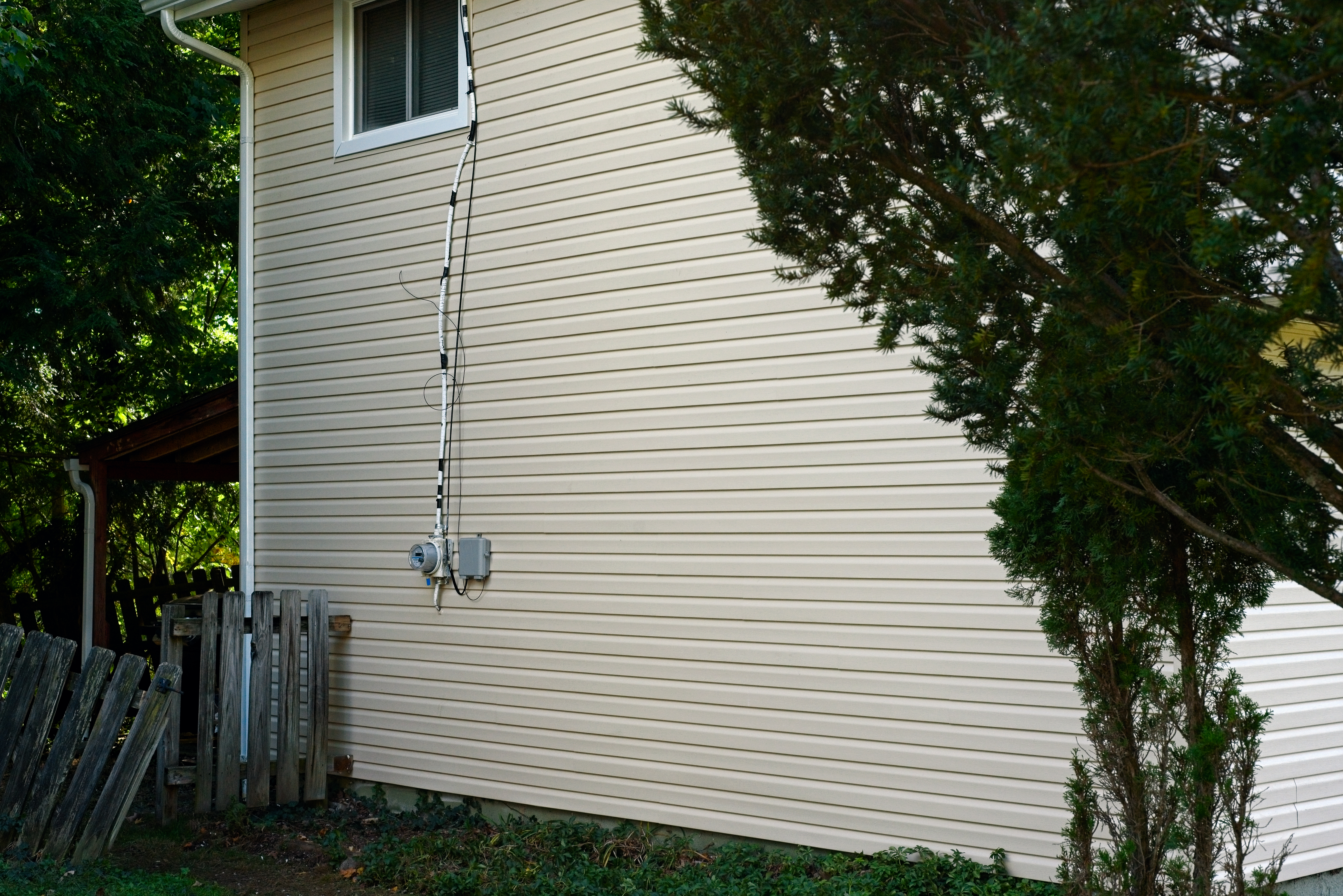
Your home’s siding acts as its first line of defense against the elements. When that barrier meets the ground, problems start brewing that can cost thousands in repairs.
Common Siding Maintenance Mistakes
The #1 mistake homeowners make is letting mulch, soil, or landscaping build up against siding. This simple oversight can lead to major structural damage.
Many homeowners add a fresh layer of mulch each spring without removing the old layers. Year after year, this raises the ground level until it contacts your siding. What looks like a small detail can trigger big problems.
Wood and fiber cement siding need at least 6 inches of clearance from the ground. Vinyl siding requires a minimum of 4 inches. These aren’t random numbers they’re based on decades of building science research showing how moisture wicks upward.
Even brick and stone homes aren’t immune. The wooden structural elements behind these materials can rot when ground contact allows moisture to penetrate. A proper inspection can spot these hidden risks before they become costly repairs.
Importance of Insect Damage Prevention
Termites cause over $5 billion in property damage annually in the US and they love ground contact siding. Think of it as rolling out the red carpet for these unwanted guests.
When siding touches soil, it creates a hidden highway for termites, carpenter ants, and other wood destroying insects. These pests can work unnoticed for years, turning structural wood into sawdust. By the time you spot visible damage, they’ve often been feasting for months.
In Darien’s climate, the risk multiplies. Our humid summers and wet springs create perfect conditions for insect populations to boom. What’s worse, many homeowners insurance policies don’t cover insect damage, leaving you to foot the entire repair bill.
The good news? Simple fixes like maintaining proper clearance between siding and soil can slash your risk dramatically. This small step creates a visible inspection zone that makes it harder for insects to enter undetected.
Expert Insights by Nearwater Property Group
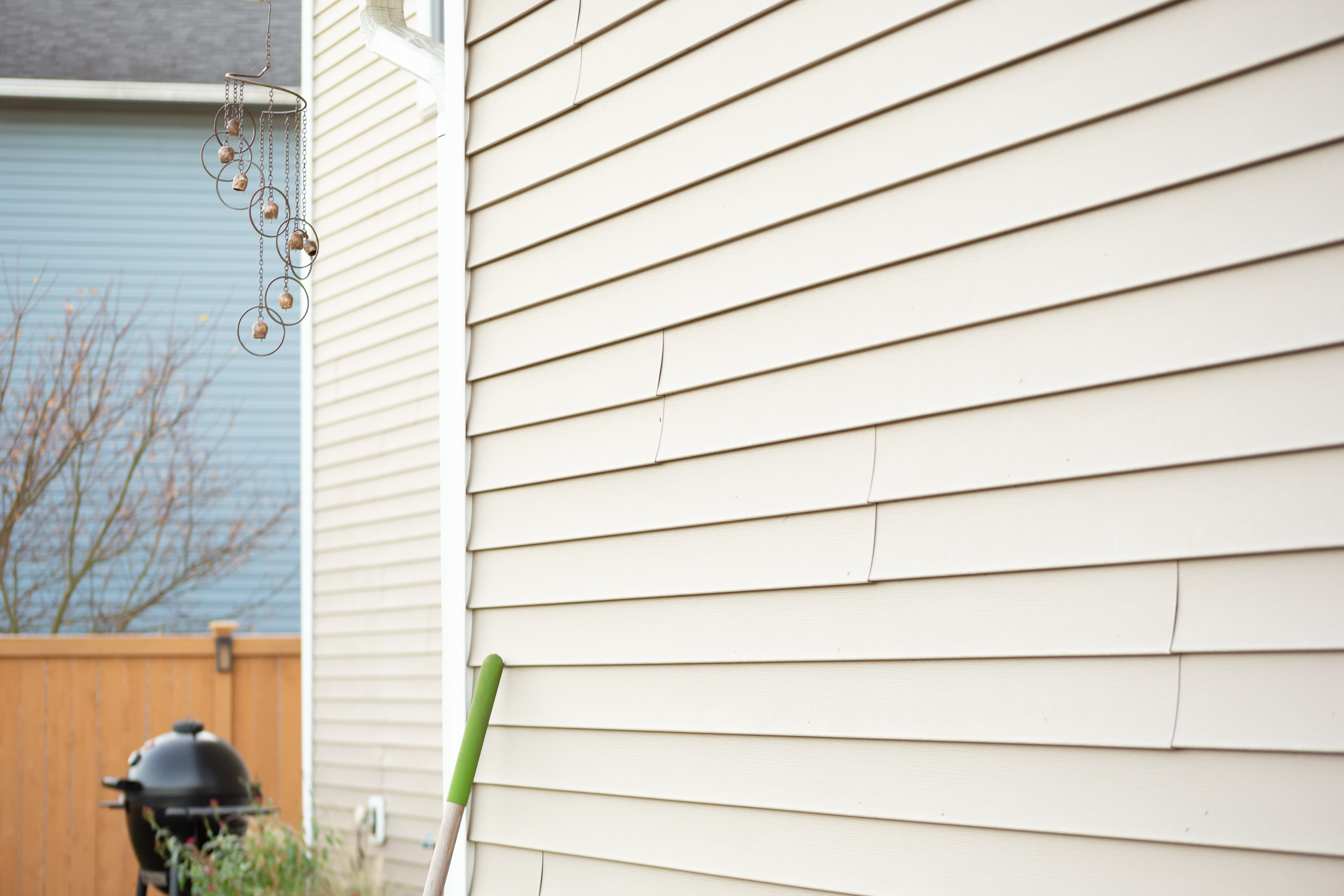
The distance between your siding and the ground isn’t just a building code detail it’s a critical factor in your home’s long term health. Our inspectors see the consequences of ignored clearance issues daily.
Home Inspection Tips for Siding
Look for a visible gap between your siding and the ground you should see at least 4 6 inches of foundation wall. This creates what we call an “inspection zone” that lets you spot problems early.
Check around your entire home’s perimeter after heavy rains. Water should flow away from your foundation, not pool against it. Wet spots near your siding signal drainage issues that need fixing before they cause bigger problems.
Pay special attention to areas where decks attach to your home. These connections often trap moisture and create hidden entry points for pests. Remove any debris that collects in these spots regularly.
Don’t forget to examine areas where downspouts discharge. We often find erosion in these spots that can gradually expose or damage your foundation. A simple splash block or extension can prevent this common issue, protecting your siding from premature failure.
Property Care Recommendations
Create a “dry zone” around your home’s perimeter with gravel or crushed stone. This simple barrier helps prevent soil from splashing onto siding during heavy rains while improving drainage away from your foundation.
Trim back shrubs and plants so they’re at least 12 inches from your siding. Plants hold moisture against your home and can bridge the gap you’ve created between soil and siding, defeating its purpose.
Fix gutters and downspouts promptly when they sag or leak. A single overflowing gutter can dump gallons of water directly onto your siding and foundation during each rainstorm. This concentrated moisture accelerates damage to ground level siding.
Consider installing a rain gauge to track precipitation. Darien receives about 50 inches of rainfall yearly knowing when you’ve had excessive moisture helps you check problem areas before damage sets in. Our social media posts regularly share seasonal maintenance tips specific to our local climate conditions.
Protect Your Home in Darien, CT
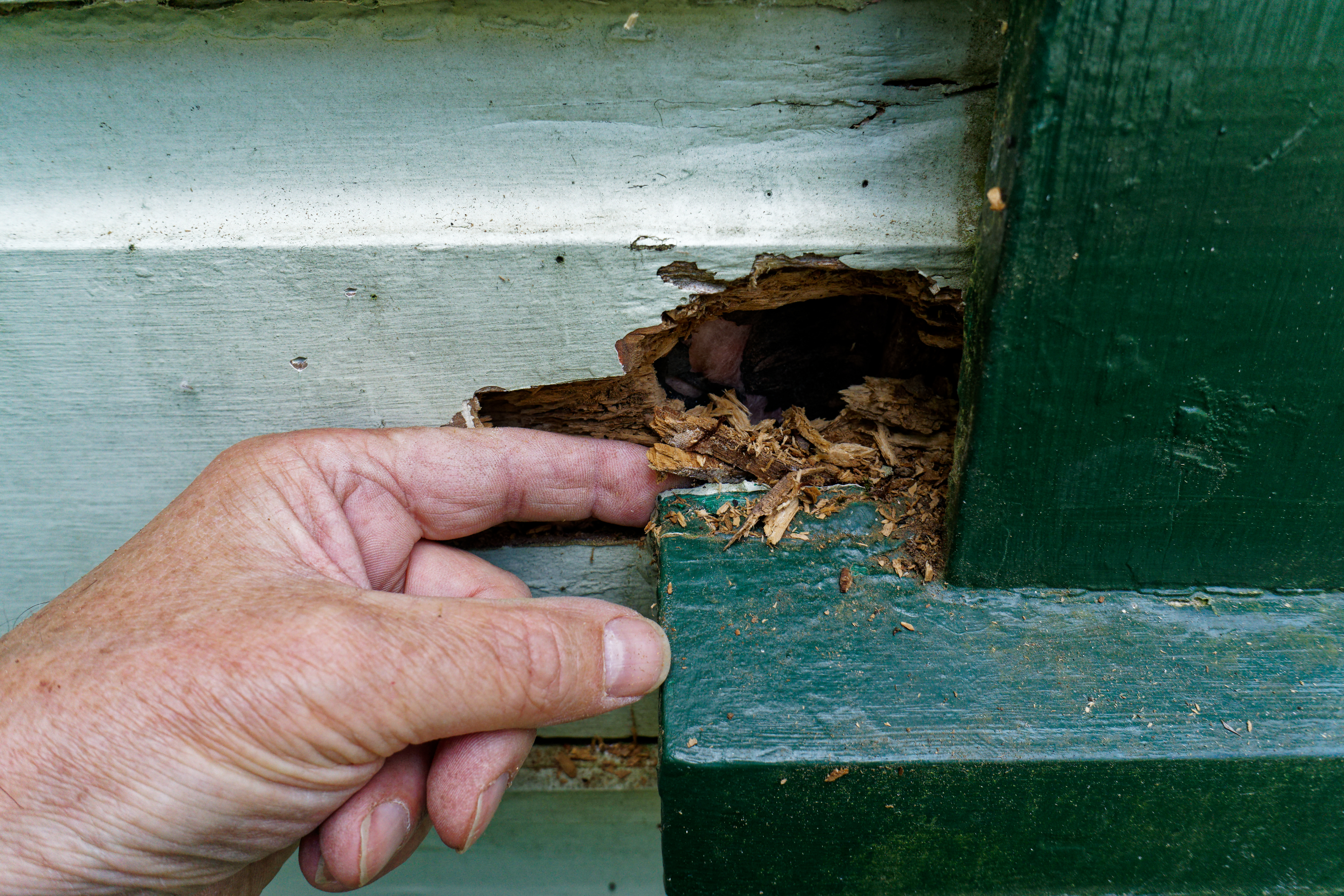
Darien’s coastal location means your home faces unique challenges from salt air, humidity, and seasonal storms. These factors make proper siding maintenance even more crucial here than in drier inland areas.
Benefits of Professional Home Inspections
A trained inspector spots issues you might miss like the early signs of water damage behind seemingly intact siding. This early detection can save thousands in repair costs.
Professional inspections create a documented record of your home’s condition. This proves valuable for insurance claims, real estate transactions, or planning maintenance budgets. Many homeowners keep these reports as part of their property records.
Inspectors bring specialized tools like moisture meters and thermal cameras that can detect hidden water issues. These tools find problems invisible to the naked eye, like moisture wicking up behind siding that appears dry from the outside.
Regular inspections also help you plan repairs strategically. Rather than facing surprise emergencies, you can address issues in order of priority. This approach turns reactive maintenance into proactive care, extending your home’s lifespan and protecting its value.
How Nearwater Property Group Can Help
Our inspectors know Darien’s unique housing stock and climate challenges. We’ve examined hundreds of local homes and know exactly what problems to look for in different neighborhoods and building styles.
We provide clear, jargon free reports with photos that show exactly what needs attention. No guesswork or confusing technical terms just straightforward advice you can act on immediately or share with contractors.
Beyond inspections, we offer ongoing guidance. Many clients follow our Twitter updates for seasonal maintenance reminders tailored to Darien’s weather patterns. We’re also active on Nextdoor, answering neighbor questions about home care.
The small gap between your siding and soil represents a crucial boundary in home protection. Maintaining this simple clearance prevents costly damage, extends your siding’s lifespan, and keeps pests at bay. In Darien’s challenging coastal environment, this small detail makes a big difference in your home’s long term health.